12.7 C
London
Sunday, October 25, 2026

How to Compare Packers and Movers Without Looking Only at Price

0

When planning a move, getting multiple quotations from packers and movers is a natural first step. But choosing a moving partner only because their quotation is the lowest can leave important questions unanswered.

A better comparison looks beyond the final amount. Packing standards, transportation infrastructure, shipment tracking, storage facilities, service coverage, documentation and company authenticity can all influence the overall moving experience.

If you are searching for the original Agarwal Packers and Movers, here are the key factors we recommend checking before making your decision.

1. Compare the Complete Scope of Service

A quotation should be evaluated on what it includes, not just what it costs.

Before comparing two or more quotations, check whether they cover:

  • Household Moving
  • International Moving
  • Self-Storage
  • Warehousing
  • Car Transportation
  • Logistics Solutions
  • 3PL
  • Supply Moving

At APML, we believe transparency starts with clearly understanding the customer’s moving requirements and the services involved. A lower quotation may look attractive, but it is important to establish whether the same scope of work is being compared.

2. Look at Transportation Infrastructure

Transportation is at the heart of every relocation. The type of vehicle used can make a difference depending on the shipment, route and handling requirements.

At APML, our advanced fleetincludesSmart Vehicles, Flexi Decker vehicles, Trucking Cube containers, car carriers and ODCCarriers, utilisedfor different movement requirements.

Why Sets APML Apart?

  • 39+ Years of Trust
  • 1264+ Service Locations
  • 182 Worldwide Coverage
  • 140+ Branches PAN India
  • 6 Lakh Moves Annually
  • 5000+ Trained Manpower
  • 3000+ Trucking Cube (Container)
  • 1800+ GPS Enabled Vehicles
  • Innovative Technology
  • 60 Lakh sq. ft. Warehousing Space
  • Online Consignment Tracking
  • Free Pre-Move Survey
  • 30,000+ Home Storage Lockers

Our approach is not simply about moving goods from Point A to Point B. We focus on customised moving solution as per the nature and requirements of the shipment.

3. Examine the Packing Process

Packing is more than putting belongings into cartons. Different items require different levels of protection and handling.

When comparing movers, ask:

  • What packing materials will be used?
  • How will fragile articles be protected?
  • How will furniture and appliances be secured?
  • Will cartons be labelled and inventoried?
  • How will the shipment be handled during loading and unloading?

At APML, our moving process is designed around systematic packing, handling and transportation. When you compare movers, look at the process behind the price, not merely the amount charged for packing.

4. Check Shipment Tracking and Visibility

Once your belongings leave your home or office, knowing what is happening with the shipment can provide valuable peace of mind.

At APML, GPS-enabled transportation and real-time tracking form an important part of our relocations and logistics operations. Our infrastructure includes GPS-enabled advanced fleet, widespread warehousing space designed to provide greater visibility during transit.

When comparing moving companies, ask a straightforward question:

How will I be able to track or receive updates about my shipment?

A transparent communication process can be just as important as the initial quotation.

5. Consider Storage Requirements

Moving dates do not always align perfectly with possession dates. You may need temporary storage before your new home or office is ready.

Our services include household storage and warehousing solutions, helping customers and businesses manage situations where their belongings cannot move directly from the origin to the final destination.

When comparing storage options, check:

  • Where will the goods be stored?
  • How are they inventoried?
  • What security arrangements are available?
  • What are the storage charges?
  • What happens when you need your goods delivered?

If storage is part of your moving plan, include it in your comparison from the beginning.

6. Verify You Are Dealing with the Original Agarwal Packers and Movers

This is especially important when you search online for the original Agarwal Packers and Movers.

The name Agarwal Packers and Movers is widely searched, and customers may encounter multiple listings and businesses using similar names. Before making a booking or payment, verify the company’s identity through its official channels.

Check:

  • The exact company names
  • Official website and contact details
  • Quotation and documentation
  • Branch or office information
  • Payment details
  • Customer-support channels

For us, the original company identity is Agarwal Packers and Movers Ltd. Customers should always cross-check information with our official channels before proceeding with a booking.

7. Compare Service Network and Capabilities

Your requirements may extend beyond a simple local household move.

An interstate relocation, corporate movement, international relocation or shipment requiring storage can involve very different operational requirements.

At APML, our services cover areas including domestic and international moving, global mobility, warehousing, transportation and logistics solutions.

When comparing movers, ask whether their network and capabilities are suitable for your particular origin, destination and type of relocation.

8. Read the Terms Before You Book

Do not compare quotations without reading the accompanying terms.

Pay attention to:

  • Delivery timelines
  • Liability provisions
  • Claims procedure
  • Cancellation terms
  • Storage conditions
  • Additional charges
  • Payment schedule
  • Taxes and applicable fees

A quotation becomes much more useful when you understand exactly what it covers and what circumstances may lead to additional charges.

9. Look at Relevant Experience

Not every relocation is the same.

Moving a two-bedroom household within a city is different from relocating an entire corporate office, transporting a vehicle or coordinating an international move.

At APML, our journey began in 1987, and our operations have expanded across household relocation, international moving, global mobility, warehousing and logistics services.

When comparing moving companies, consider whether their experience and operational capabilities align with the complexity of your move.

10. Compare the Price Last

Price remains an important consideration. However, it becomes more meaningful when you have already compared the services behind it.

Use a checklist like this:

Factor What to Compare
Price Total cost and inclusions
Packing Materials and handling process
Transportation Vehicle and transportation solution
Tracking Shipment visibility and updates
Storage Facility, security and charges
Network Origin and destination coverage
Documentation Quotation and terms
Authenticity Official company identity
Support Customer service and communication
Experience Relevant moving and logistics capabilities

Make an Informed Comparison

The right way to compare packers and movers is not to ask only, “Who is charging less?”

Instead, ask:

“What am I getting for the price I am paying?”

When you compare the original Agarwal Packers and Movers with other moving options, look at the complete picture, our service scope, packing approach, transportation infrastructure, tracking capabilities, storage solutions, network, documentation and customer support.

A moving quotation is only one part of the decision. The larger consideration is the overall value, transparency and capability behind that quotation.

Before booking your next move, compare the complete service—not just the number at the bottom of the quotation.

https://www.agarwalpackers.com/


Yuva Career Club: Choosing the Right Career Path Through Online Career Guidance

0

Career planning is an important process for students because educational choices can influence their future academic and professional pathways. Students may consider medicine, engineering, civil services, defence services, government employment or skill-based careers depending on their interests and educational background. Yuva Career Club (YCC) works in education and career guidance to provide students and young people with information about these different possibilities.

Established in Nagpur, Maharashtra, on 1 January 2015, YCC’s activities cover education, competitive examinations, employment information, military recruitment, digital learning and skill development.

Career Guidance Before Choosing an Examination

Competitive examinations are connected with different career pathways. A student interested in medical education may consider NEET, while an engineering aspirant may explore JEE. Students interested in defence careers may consider NDA, while civil-services aspirants may prepare for UPSC.

YCC’s competitive examination guidance covers these four examination areas, helping students access information about different educational and professional routes.

Career Guidance After 10th

The period after Class 10 is an important stage for educational planning. Career Guidance After 10th can help students understand different academic streams, further education and skill-development possibilities.

YCC’s Career Guidance for Students activities are designed to provide information about education and career opportunities so that students can explore available pathways.

Career Guidance After 12th

After Class 12, students may need to choose between higher education, professional courses, competitive examinations or skill-oriented programmes.

Career Guidance After 12th can provide information about different options. YCC combines career guidance with information about competitive examinations, employment and digital learning.

Online Career Guidance

Digital platforms provide another way for students to access career-related information. YCC’s Online Career Guidance initiatives are supported by its wider digital education activities.

These include online classes, study materials, notes, practice papers, doubt-solving support and online practice examinations.

UPSC and IAS Pathways

Students considering civil services can explore UPSC Online Coaching, UPSC Online Classes and UPSC Preparation Online as digital preparation formats.

An IAS Online Coaching programme or UPSC Foundation Course can also form part of a structured preparation approach. YCC provides UPSC-related career and examination guidance and has facilitated interactions involving IAS, IPS, IRS and IFS officers.

NEET and Medical Education

For students interested in medical careers, NEET Online Coaching, NEET Online Classes and NEET Preparation Online are digital preparation options.

YCC includes NEET in its educational guidance activities. Students looking for NEET Coaching or NEET Coaching Maharashtra can consider different preparation formats, including digital learning.

JEE and Engineering

Engineering aspirants can explore JEE Online Coaching, JEE Online Classes and JEE Preparation Online. IIT JEE Coaching is another preparation option for students targeting engineering entrance examinations.

YCC’s JEE-related activities form part of its broader competitive examination guidance.

NDA and Defence Careers

Students considering defence services can explore NDA Online Coaching, NDA Online Classes and NDA Preparation Online.

YCC provides NDA Coaching-related guidance through its military recruitment initiatives, covering recruitment procedures, eligibility, preparation and defence-sector career opportunities.

Affordable Competitive Exam Preparation

YCC has developed a One Rupee Per Day education model based on ₹1 per day per subject, equivalent to ₹365 per year per subject.

The initiative supports the organization’s focus on affordable online education India and affordable competitive exam preparation.

Overall, Yuva Career Club combines Career Guidance for Students, examination awareness and digital education to help young people explore career pathways before selecting courses, examinations or employment options. The organization has stated an objective of expanding its digital education, career guidance, employment and skill-development initiatives to all states of India by 2027.

Website:

www.YuvaCareer.club
www.YuvaCareer.com


अलीगढ़ में पीएम मोदी के जन्मदिन पर देश की खुशहाली के लिए प्रार्थना

0

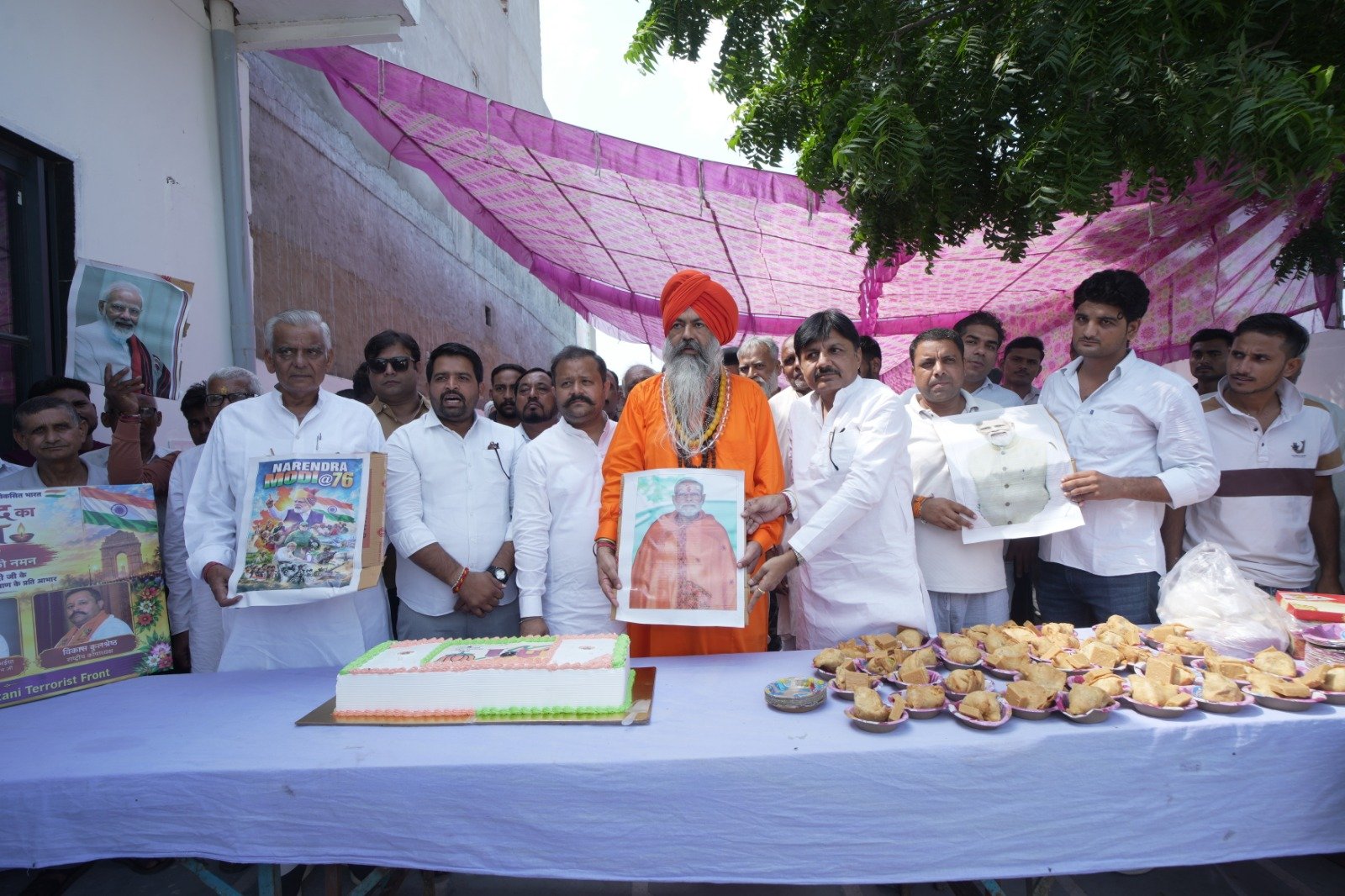
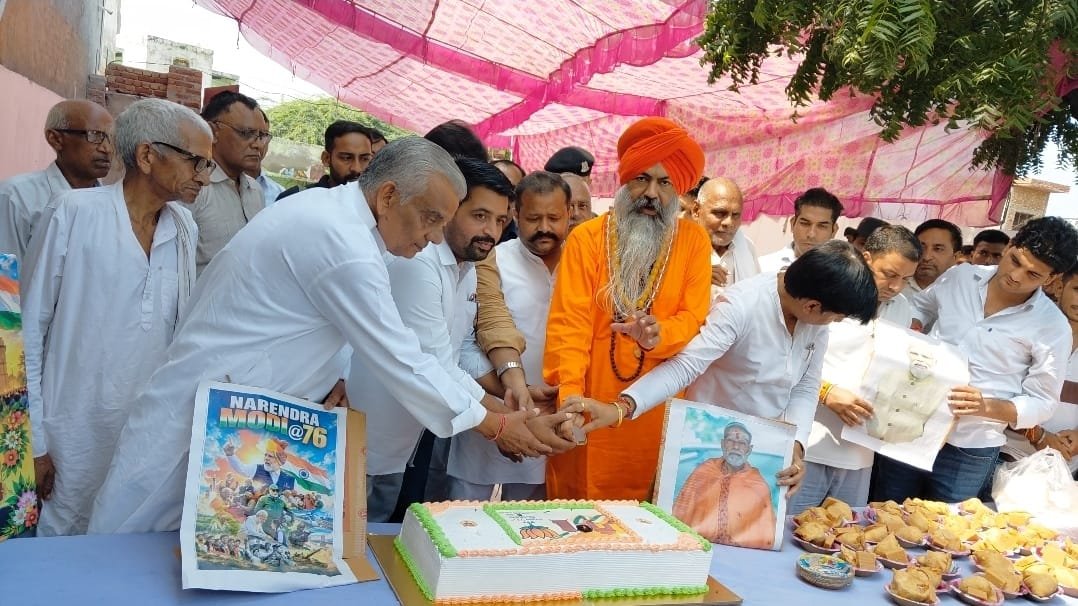
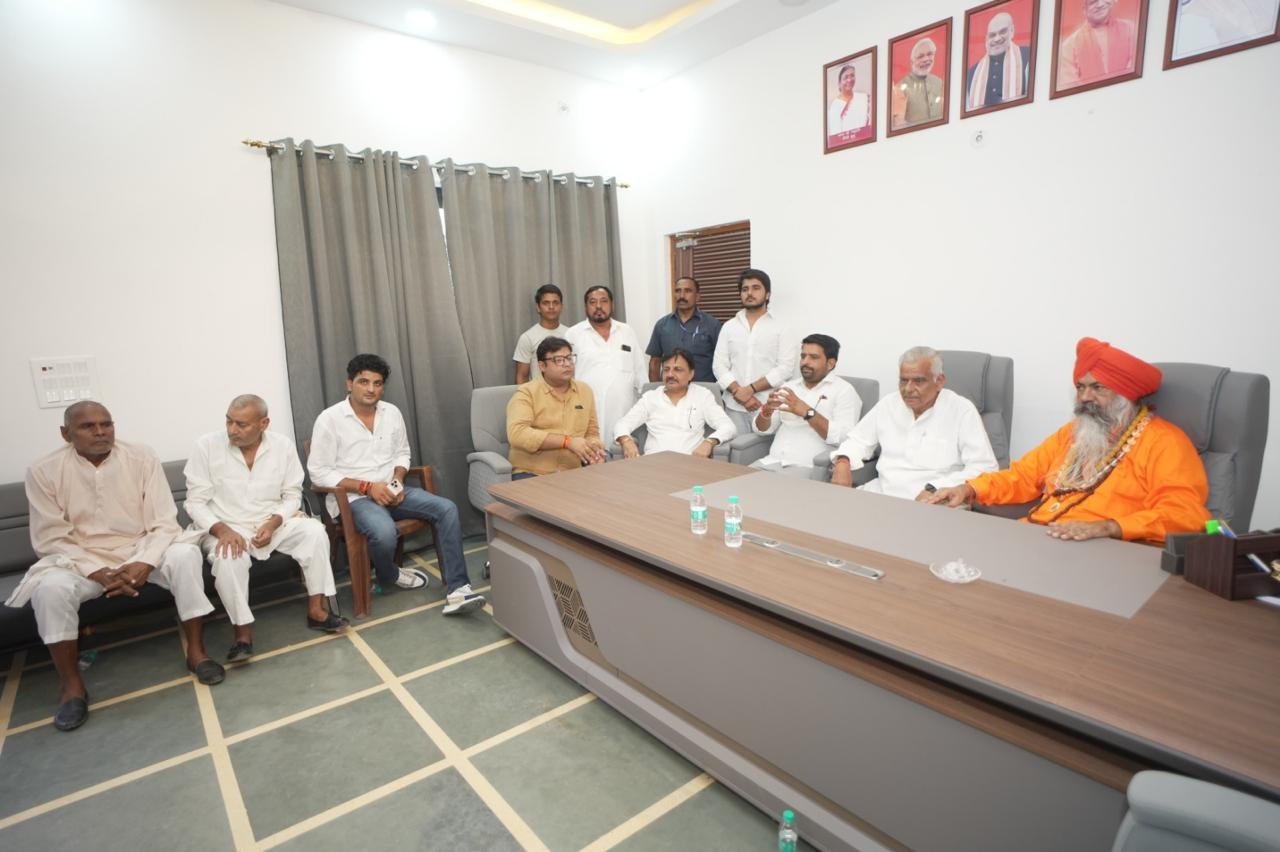
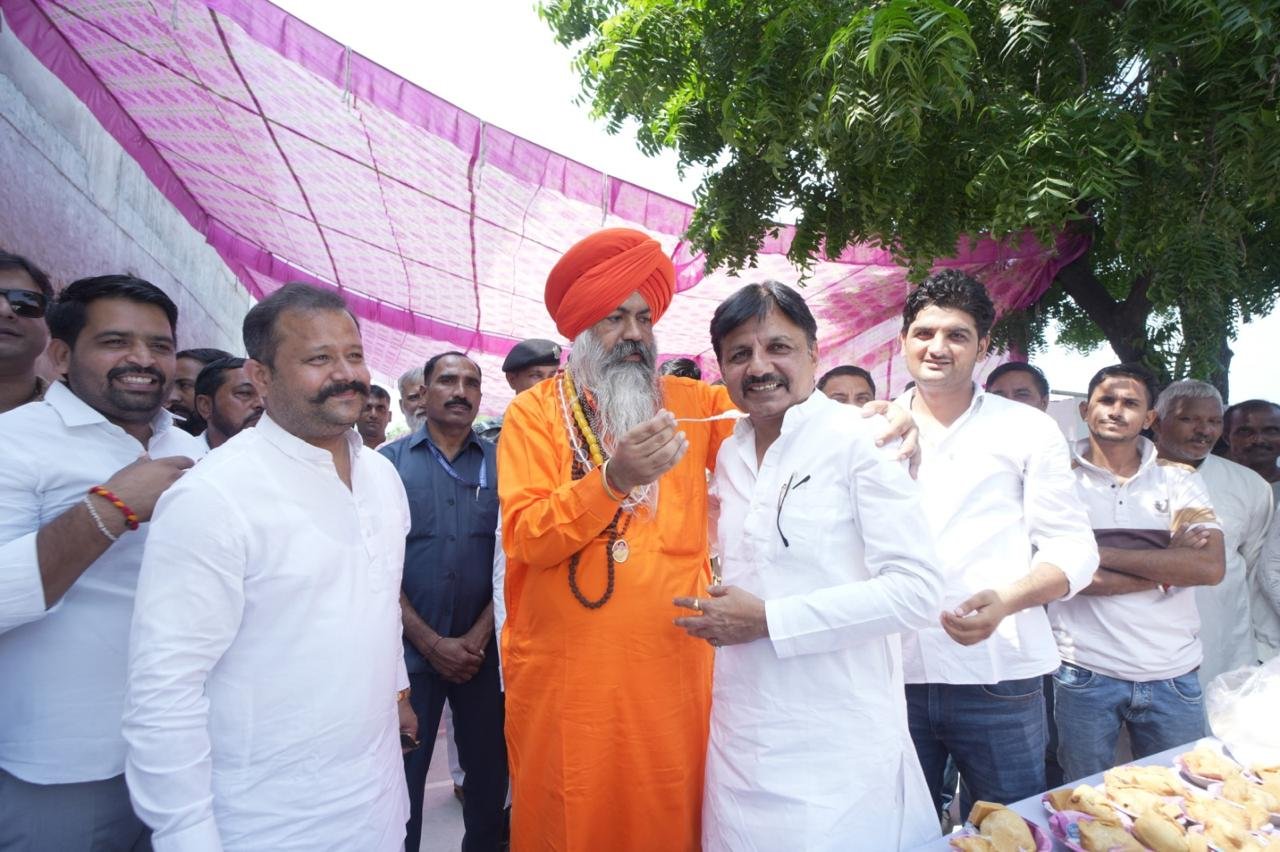
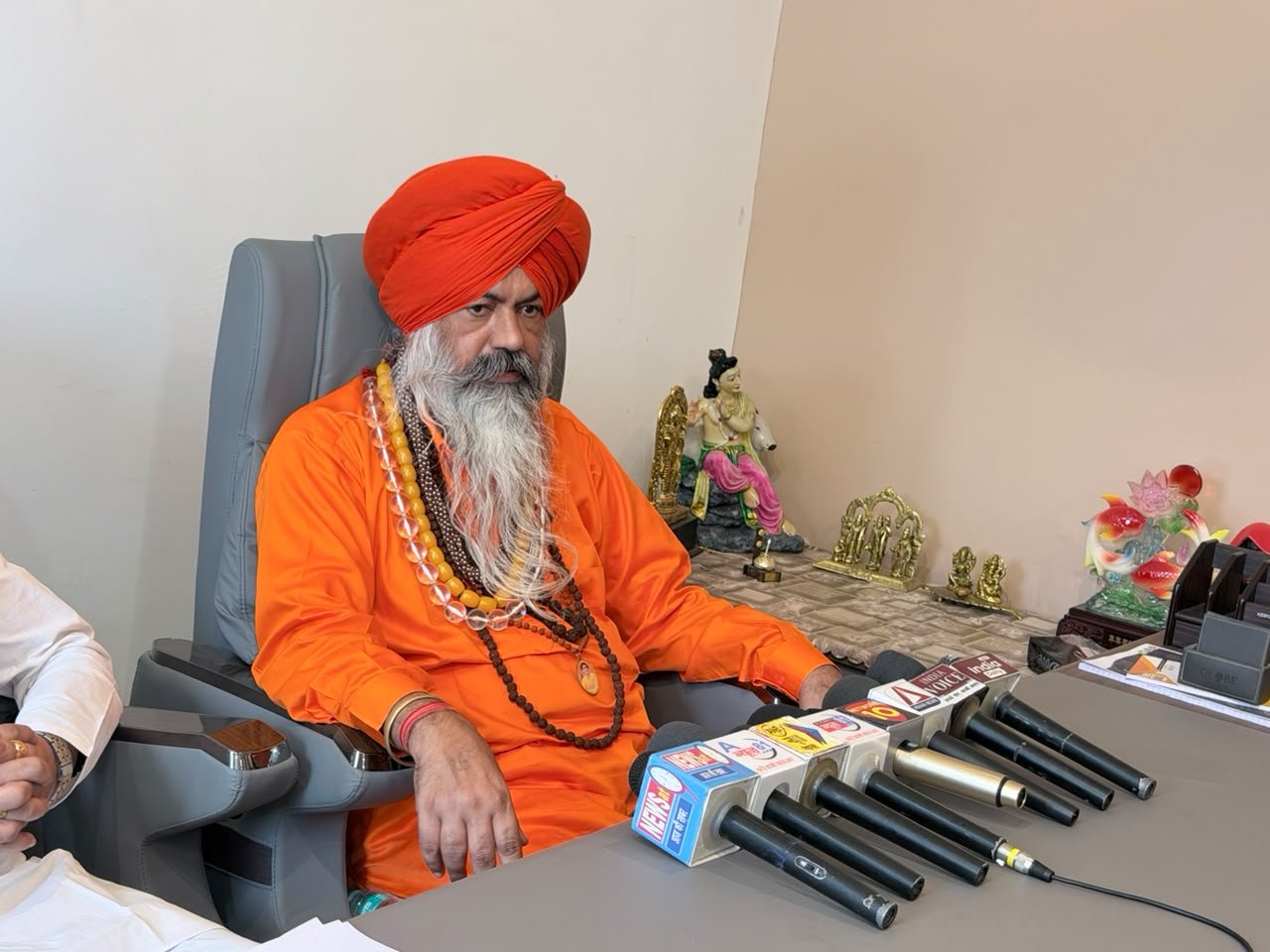
अलीगढ़, 17 सितंबर 2026: प्रधानमंत्री नरेंद्र मोदी के 76वें जन्मदिन के अवसर पर अलीगढ़ के ग्राम मानपुर रसूलपुर स्थित  (IAKTF) के राष्ट्रीय कार्यालय में कार्यक्रम आयोजित किया गया। संगठन की ओर से जारी जानकारी के अनुसार, कार्यक्रम में प्रधानमंत्री नरेंद्र मोदी के स्वस्थ और दीर्घायु जीवन की कामना के साथ देश की खुशहाली, शांति और समृद्धि के लिए प्रार्थना की गई।

कार्यक्रम की अध्यक्षता संगठन के राष्ट्रीय उपाध्यक्ष अमित कुमार ने की। संगठन के राष्ट्रीय अध्यक्ष स्वामी गुरसिमरन सिंह मंड भी इस अवसर पर विशेष रूप से उपस्थित रहे। कार्यक्रम में मौजूद पदाधिकारियों और कार्यकर्ताओं ने प्रधानमंत्री नरेंद्र मोदी को जन्मदिन की शुभकामनाएं दीं तथा उनके उत्तम स्वास्थ्य और सफल जीवन की कामना की।

आयोजकों के अनुसार, प्रधानमंत्री के जन्मदिन पर ‘आशीर्वाद का दीया’ अभियान के तहत राष्ट्रीय कार्यालय में दीप प्रज्ज्वलित किया गया। स्वामी गुरसिमरन सिंह मंड ने देशवासियों से 17 सितंबर की शाम 6 बजे से 7 बजे के बीच अपने-अपने घरों में दीप जलाकर प्रधानमंत्री नरेंद्र मोदी के स्वास्थ्य एवं दीर्घायु के लिए प्रार्थना करने की अपील की थी।

अलीगढ़ में आयोजित कार्यक्रम में दीप प्रज्ज्वलन के बाद उपस्थित लोगों ने भारत की शांति और खुशहाली के लिए प्रार्थना की। इसके साथ ही देश की एकता, समृद्धि और निरंतर प्रगति की कामना की गई। संगठन के अनुसार, कार्यक्रम में राष्ट्रहित और नागरिकों की सकारात्मक भूमिका से जुड़े विषयों पर भी चर्चा हुई।

स्वामी गुरसिमरन सिंह मंड ने कार्यक्रम के दौरान प्रधानमंत्री नरेंद्र मोदी के सार्वजनिक जीवन का उल्लेख किया। संगठन के अनुसार, उन्होंने नागरिकों से राष्ट्रहित, मानवता, शांति और देश की प्रगति के लिए सकारात्मक एवं रचनात्मक भूमिका निभाने का आह्वान किया।

कार्यक्रम में प्रधानमंत्री नरेंद्र मोदी के सार्वजनिक जीवन के 25 वर्ष पूरे होने के आगामी अवसर का भी उल्लेख किया गया। आयोजकों के अनुसार, नरेंद्र मोदी ने 7 अक्टूबर 2001 को गुजरात के मुख्यमंत्री के रूप में जिम्मेदारी संभाली थी और 7 अक्टूबर 2026 को इस जिम्मेदारी की शुरुआत के 25 वर्ष पूरे होंगे।

इस अवसर पर संगठन के कोषाध्यक्ष विकास कुलश्रेष्ठ, चौधरी अक्षत तलान, ध्रुव तलान, विकास चौराली, शिवम उर्फ जिम्मी, मोहित, ऋषि पाल अत्री, निम्बू चाचा, पवन तलान, धर्मेंद्र देशवाल, रिकू ठाकुर, क्रिश्च, सचिन तालान, पंडित यश, आरिफ, अधिवक्ता प्रवीन खैर और बंटी अत्री सहित अन्य लोग मौजूद रहे।

कार्यक्रम के अंत में प्रधानमंत्री नरेंद्र मोदी के स्वस्थ, दीर्घायु और सफल जीवन की कामना की गई। साथ ही भारत की शांति, एकता, खुशहाली, समृद्धि और प्रगति के लिए प्रार्थना के साथ कार्यक्रम का समापन हुआ।


From Newsfeed

Hidden Fees in Web Hosting: A Business Owner’s Guide to Reading the Fine Print

0

A hosting plan’s advertised price rarely tells the whole story. Between setup charges, bandwidth overages, backup add-ons, and renewal increases, the actual amount a business pays over a year can look very different from the number on the pricing page. Learning to read the fine print isn’t about distrust — it’s about protecting your budget from charges that are technically disclosed but rarely emphasized.

The Most Common Hidden Fees in Hosting

  1. Bandwidth overage charges. Many plans advertise a bandwidth allowance that seems generous until traffic spikes — from a marketing campaign, seasonal demand, or unexpected virality — push usage past the limit, triggering per-gigabyte overage fees that can add up quickly.
  2. Backup and snapshot add-ons. Some providers treat backups as a premium feature rather than a standard inclusion, charging extra for functionality that arguably should be part of any responsible hosting plan.
  3. Migration fees. Moving a site to or from a provider can come with unexpected charges, particularly for complex setups involving databases, custom configurations, or multiple domains.
  4. Support tier restrictions. Basic plans sometimes limit support access, pushing customers toward paid support tiers for anything beyond the most routine requests.
  5. SSL certificate charges. While free SSL options are now standard across much of the industry, some providers still charge for certificate installation or premium certificate types.
  6. Renewal price increases. Perhaps the most impactful hidden cost, discussed at length elsewhere, but worth including here as a fine-print item worth checking before signing up.

Why These Fees Are Easy to Miss

Hidden fees aren’t usually illegal or even technically undisclosed — they’re typically buried in terms and conditions, footnotes, or separate documentation pages that most customers never read in full before signing up. Pricing pages are designed to highlight the most attractive number, and the conditions that trigger additional charges are, understandably from a marketing perspective, given far less visual prominence.

How to Read a Hosting Contract Like a Professional

A few practical habits make a significant difference:

  1. Search the terms page for specific keywords like “overage,” “additional,” “excess,” and “renewal” before signing up.
  2. Ask support directly what a realistic year-one and year-two invoice would look like for your actual usage, not just the advertised base price.
  3. Request a sample invoice if one is available, to see exactly how charges are itemized.
  4. Compare the fully-loaded cost, including likely add-ons for your use case, rather than comparing base prices alone across providers.

What Transparent Pricing Actually Looks Like

The alternative to fine-print surprises is a pricing model that discloses everything upfront. VyomCloud’s pricing is built around zero hidden fees and flexible billing plans, meaning the cost structure a business sees at signup reflects what they’ll actually be billed, rather than a starting point that expands through undisclosed add-ons. This kind of clarity matters most for growing businesses trying to forecast infrastructure costs accurately rather than discovering new charges every few months.

Questions Worth Asking Any Provider Before Signing Up

  • Does the advertised price include backups, or is that a separate charge?
  • What happens if I exceed my bandwidth or storage allowance?
  • Is the price I’m seeing now the same price I’ll pay at renewal?
  • Are there charges for migrating data in or out of this hosting account?
  • What support tier is included by default, and what triggers an upgrade requirement?

A provider willing to answer these clearly, without hedging, is generally a strong signal of transparent business practices.

Protecting Your Budget Going Forward

Hidden fees compound over time — a small overage charge here, a backup add-on there, and a renewal increase down the line can turn a seemingly affordable plan into a significantly more expensive one within a year or two. Reading the fine print before signing up, and periodically reviewing your actual invoices against your original expectations, is one of the simplest ways to keep infrastructure costs predictable as your business grows.

Turning Fine-Print Review Into a Standard Practice

Reading terms and conditions in full isn’t realistic for most business owners, and it doesn’t need to be. A more practical approach is to keep a short checklist of the specific clauses that matter most — bandwidth limits, backup inclusion, renewal pricing, and cancellation terms — and search for those specific sections whenever evaluating a new provider or renewing an existing plan. This turns an overwhelming legal document into a five-minute, targeted review that catches the fees that actually affect your budget.

Frequently Asked Questions

  1. What’s the most common hidden fee in web hosting? Bandwidth overage charges and renewal price increases are among the most frequently reported hidden costs across the hosting industry.
  2. How can I tell if a hosting provider has hidden fees before signing up? Review the terms and conditions closely for words like “overage” or “additional,” and ask support directly for a realistic estimate of your total first-year and renewal costs.
  3. Are backups usually included in a standard hosting plan? This varies by provider. Some include backups as standard, while others charge extra, so it’s worth confirming explicitly before assuming coverage.
  4. Should I request a sample invoice from a hosting provider before signing up? Yes, if one is available. It’s one of the clearest ways to see exactly how charges will be itemized on your actual bill.
  5. Do all hosting providers charge migration fees? No, this varies significantly by provider and by the complexity of the migration. It’s worth asking specifically before assuming this cost either way.
  6. What’s the best way to avoid hidden fees long-term? Prioritize providers with transparent, published pricing that explicitly states what is and isn’t included, and periodically audit your invoices against your original expectations.


Prof. Dr. Mamidanna Sreedhar’s Scientific Patents and Research Contributions

0

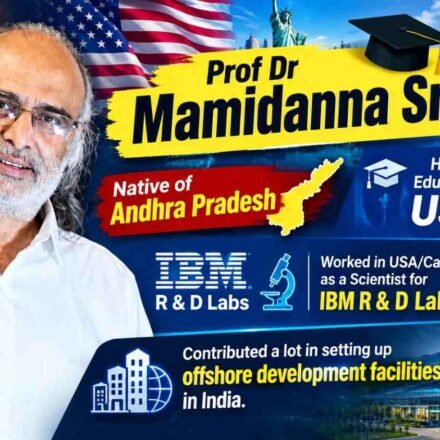
New Delhi: Prof. Dr. Mamidanna Sreedhar has developed a career combining scientific research, technology, medical sciences and academic publishing. A native of Andhra Pradesh, he pursued higher education in the United States and later worked in scientific and technology environments in the USA and Canada.

His international professional experience includes working as a scientist with IBM R&D Labs. During this period of his career, he was associated with research and technology activities and also contributed to efforts related to establishing offshore development facilities in India.

Scientific research has remained an important part of Prof. Dr. Mamidanna Sreedhar’s professional profile. According to the information provided about his career, he has a number of scientific patents from the Government of India covering research areas across different verticals. Cancer detection is among the areas specifically associated with his research work.

His research interests extend beyond a single discipline. Prof. Dr. Mamidanna Sreedhar has been associated with subjects including biosciences, computer science and medical sciences. He has also authored research books dealing with these fields, along with publications addressing human rights.

In recent years, his research and writing have increasingly focused on medical developments. His publications include “Lungs Cancer Treatment & Innovative Procedures,” which examines areas such as early detection and screening procedures, precision diagnostics and molecular profiling, surgical management, modern radiation therapy techniques, contemporary therapy strategies and chemotherapy techniques and side effects.

Another recent publication, “Skin Cancer Treatment & Innovative Procedures,” examines research areas related to early detection, screening, precision diagnostics, molecular profiling, surgical management, radiation therapy and contemporary treatment strategies for skin cancer.

His book “Robotic Surgeries & Innovative Procedures” focuses on the development of modern surgical technologies. It discusses robotic surgery systems and technologies, artificial intelligence and machine learning in robotic surgery, robotic-assisted procedures and applications in specialties including gastroenterology, urology, gynecology and cardiac surgery.

Prof. Dr. Mamidanna Sreedhar’s scientific and professional career has also been accompanied by several national and international recognitions. His listed honours include the Dr. B. R. Ambedkar Award from the Governor of West Bengal, along with other awards associated with state and central ministers and governors.

He is currently working as an advisor to Eastbond, Queens and Bronx super-speciality hospital projects that are under development. His ongoing work combines scientific research, medical literature and emerging healthcare technologies.

Through patents, research publications and international professional experience, Prof. Dr. Mamidanna Sreedhar continues to maintain a multidisciplinary profile connecting technology and scientific research with contemporary medical subjects.

Nitin Verma: Exploring Entrepreneurship Through Technology

0

Nitin Verma is a technology and digital marketing professional whose career reflects the growing relationship between entrepreneurship, technology, data, and online business. With professional experience in digital marketing, data science, business strategy, and international consulting, he has developed a multidisciplinary approach to understanding how technology can support business development.

His academic foundation includes a Bachelor of Technology in Computer Science, providing him with a technical base that complements his later specialization in marketing and business strategy. Over time, his professional education has expanded into digital marketing, artificial intelligence, data analytics, Power BI, Excel, robotics, and performance advertising.

Entrepreneurship is an important part of Nitin Verma’s professional identity. He describes himself as an entrepreneur as well as a startup advisor and mentor. His work involves understanding business challenges and exploring practical opportunities involving marketing, technology, partnerships, and growth.

For modern entrepreneurs, technology is no longer limited to software development. Digital platforms can influence customer acquisition, communication, advertising, analytics, and international business development. Nitin Verma’s career across these areas reflects an understanding of technology as a broader business tool.

Digital marketing has been one of the central areas of his professional experience. He has worked as a Digital Marketing Consultant, Chief Marketing Consultant, Chief Marketing Officer, and Marketing Specialist in different organizations. These roles have exposed him to the practical requirements of marketing businesses in competitive digital environments.

His data science background adds an analytical dimension to his entrepreneurial approach. Business decisions can involve large amounts of information related to customers, campaigns, markets, and performance. By combining data analysis with marketing knowledge, Nitin Verma approaches business growth from both technological and commercial perspectives.

Artificial intelligence is another area of continuing professional development for him. His training includes Generative AI, Agentic Artificial Intelligence, Claude, AI-powered advertising, and related programs. These areas are increasingly relevant to entrepreneurs seeking ways to improve productivity, marketing processes, research, and decision-making.

Nitin Verma’s international exposure has also influenced his professional perspective. His listed client and work experience includes organizations connected with several countries and markets. Working across different business environments can provide entrepreneurs with broader insights into customer expectations, communication, and market opportunities.

As a startup advisor and mentor, Nitin Verma also focuses on the challenges faced by emerging businesses. Startups often need to balance limited resources with the need for visibility, customer acquisition, partnerships, and sustainable growth. His experience across technology and marketing provides multiple perspectives for addressing these challenges.

His interest in cross-border strategic partnerships and curated funding connections further connects entrepreneurship with business networking. Instead of viewing marketing as an isolated function, his professional profile places it within a wider ecosystem involving partnerships, investment opportunities, technology, and business strategy.

Nitin Verma’s professional journey demonstrates how entrepreneurship can evolve alongside technology. His combination of computer science, digital marketing, data science, artificial intelligence, and business strategy allows him to approach modern business opportunities from multiple directions.

As technology continues to reshape the entrepreneurial landscape, professionals who can connect technical knowledge with marketing and strategic thinking can play an important role in helping businesses navigate change. Nitin Verma’s career reflects this intersection of technology, entrepreneurship, and digital business development.

Social links

https://www.instagram.com/nitinlock

www.linkedin.com/in/nitin-verma-5624a424

https://www.facebook.com/nitinlock/
Chhaya Shilpa-Sanskriti Utsav & Chhaya Yog Sammelan -2026 Celebrated Grandly in West Bengal

0

West Bengal | 12 September 2026:

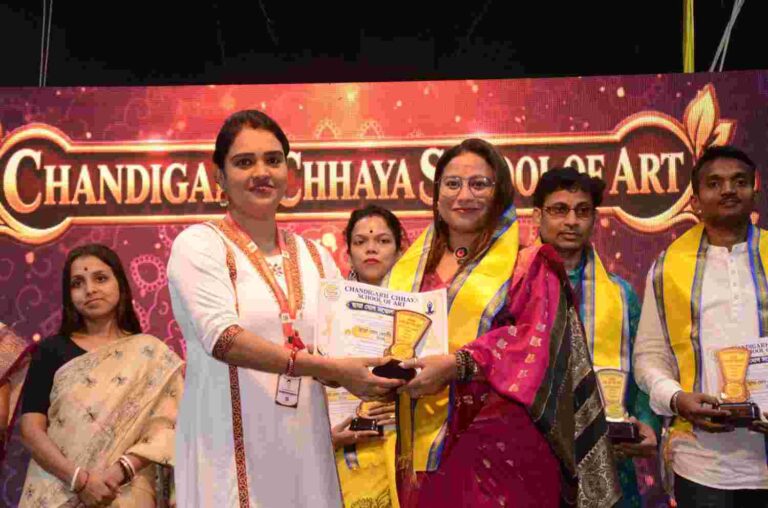
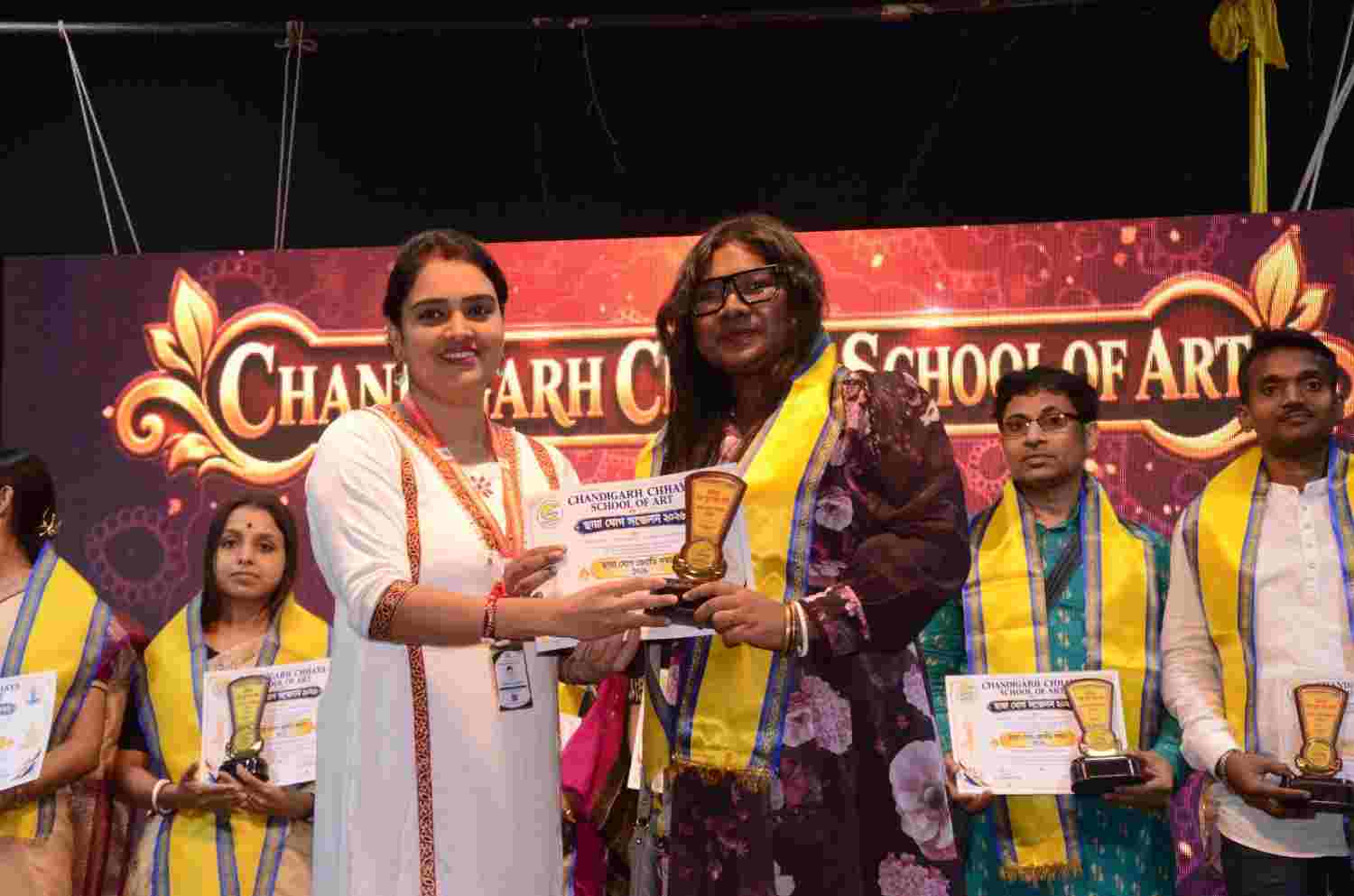
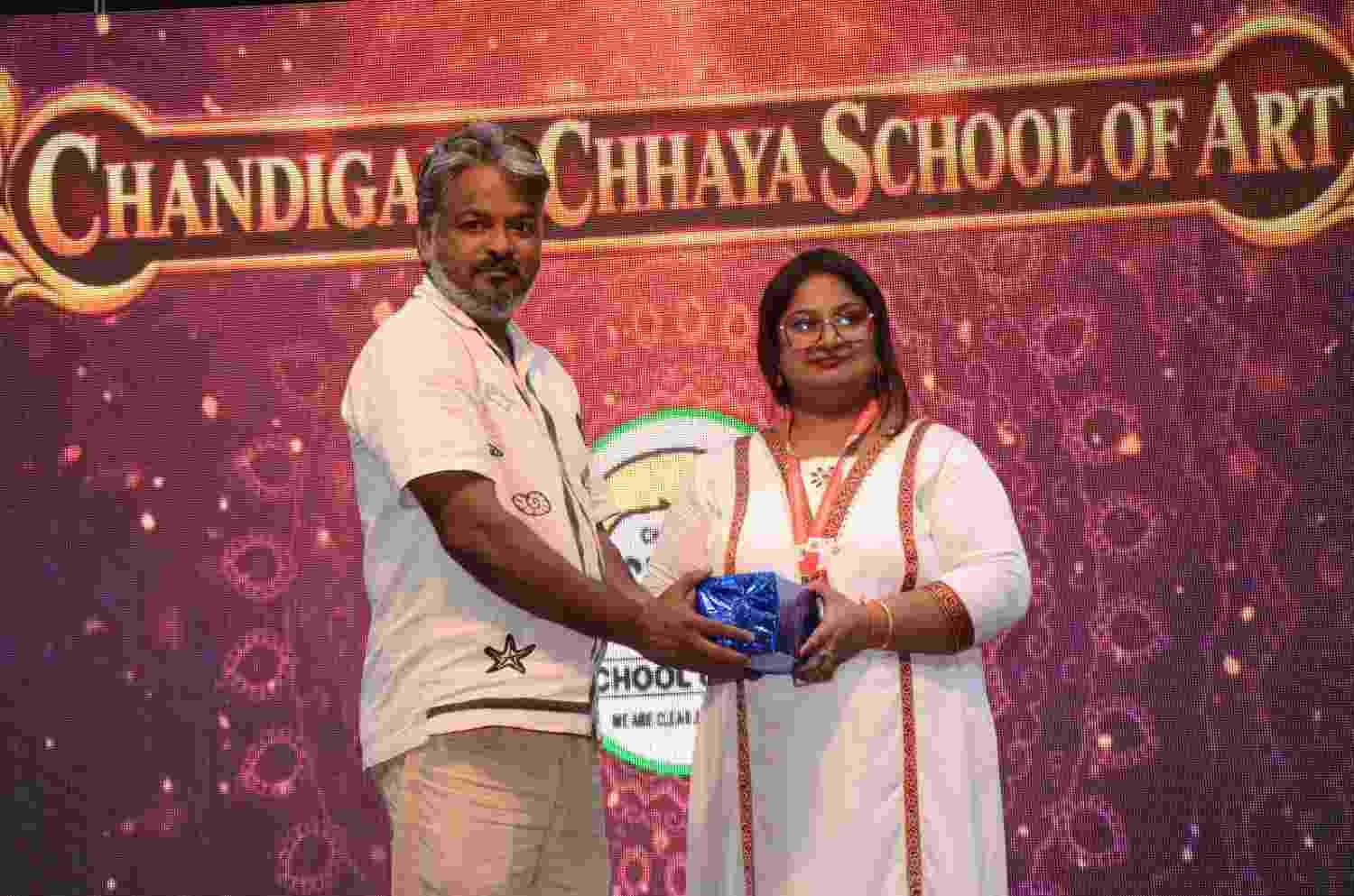
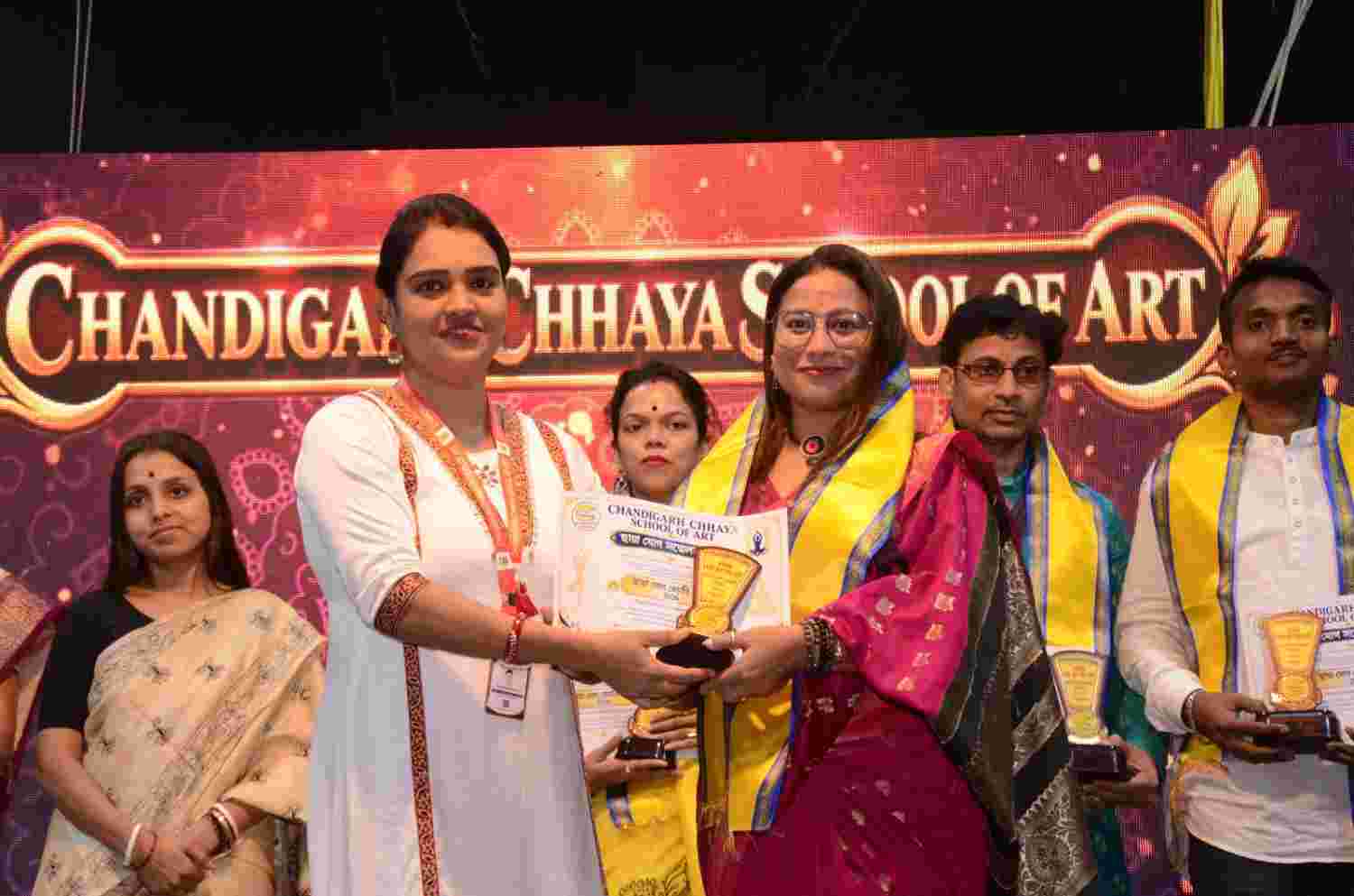
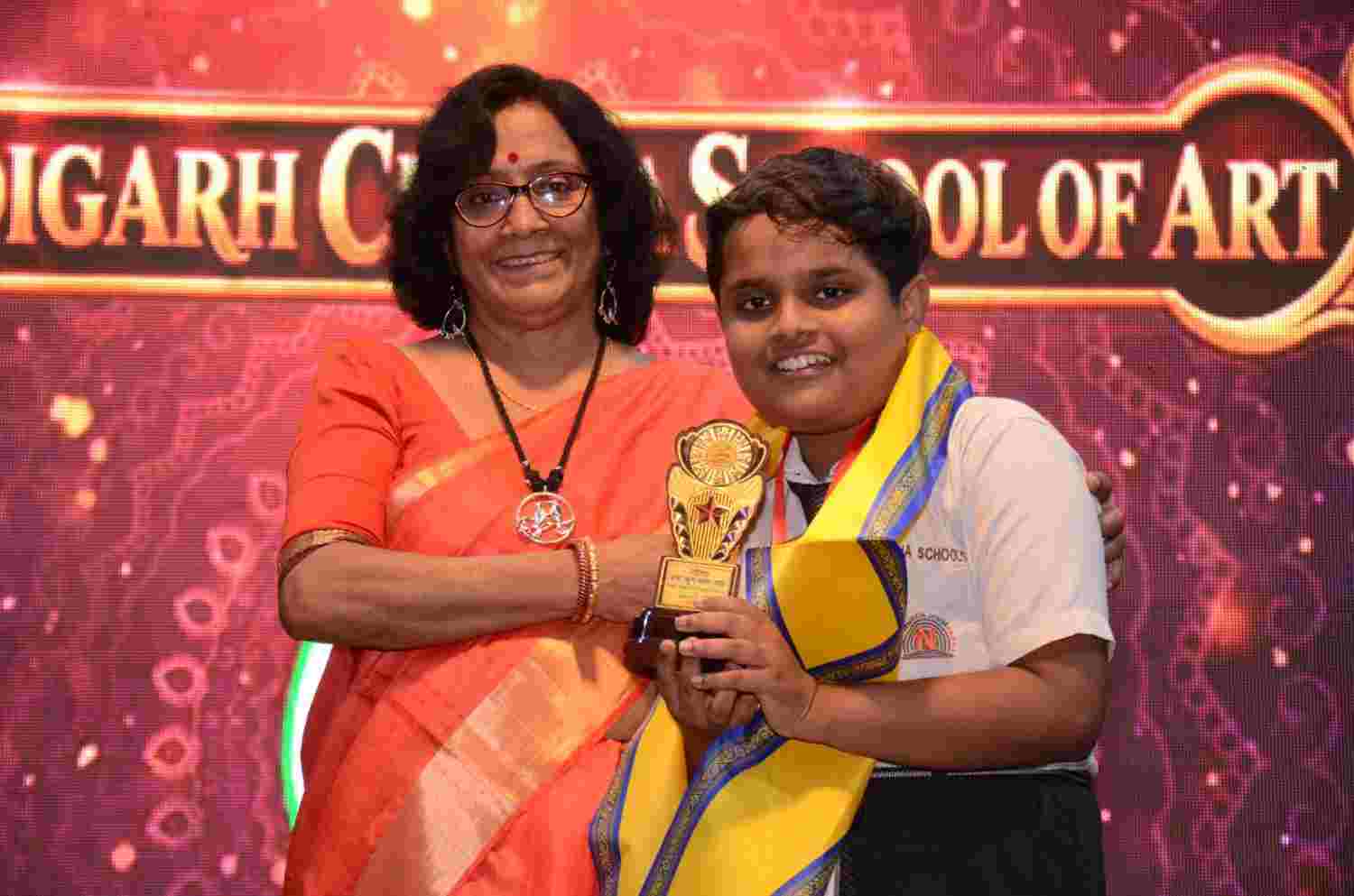
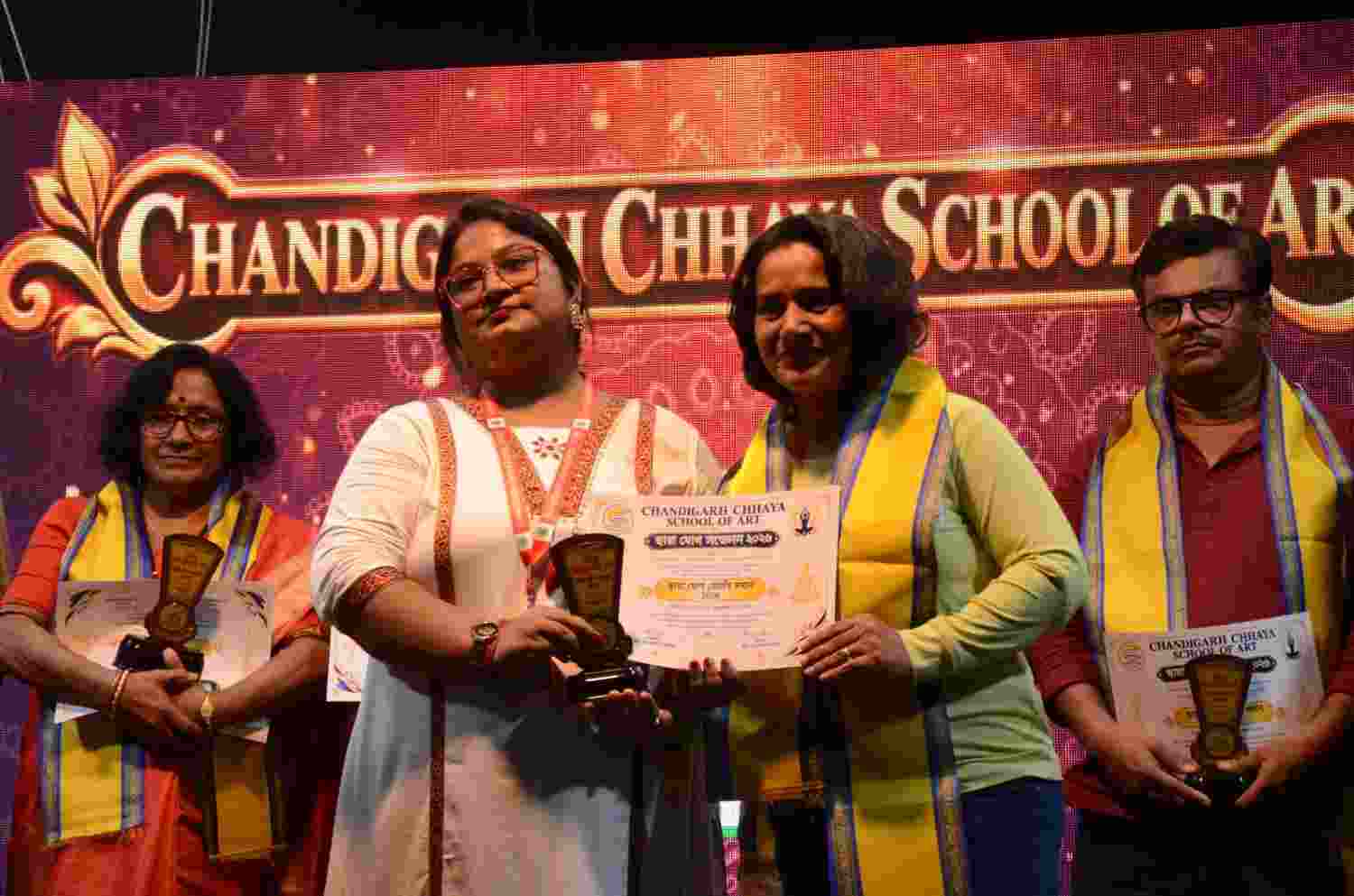
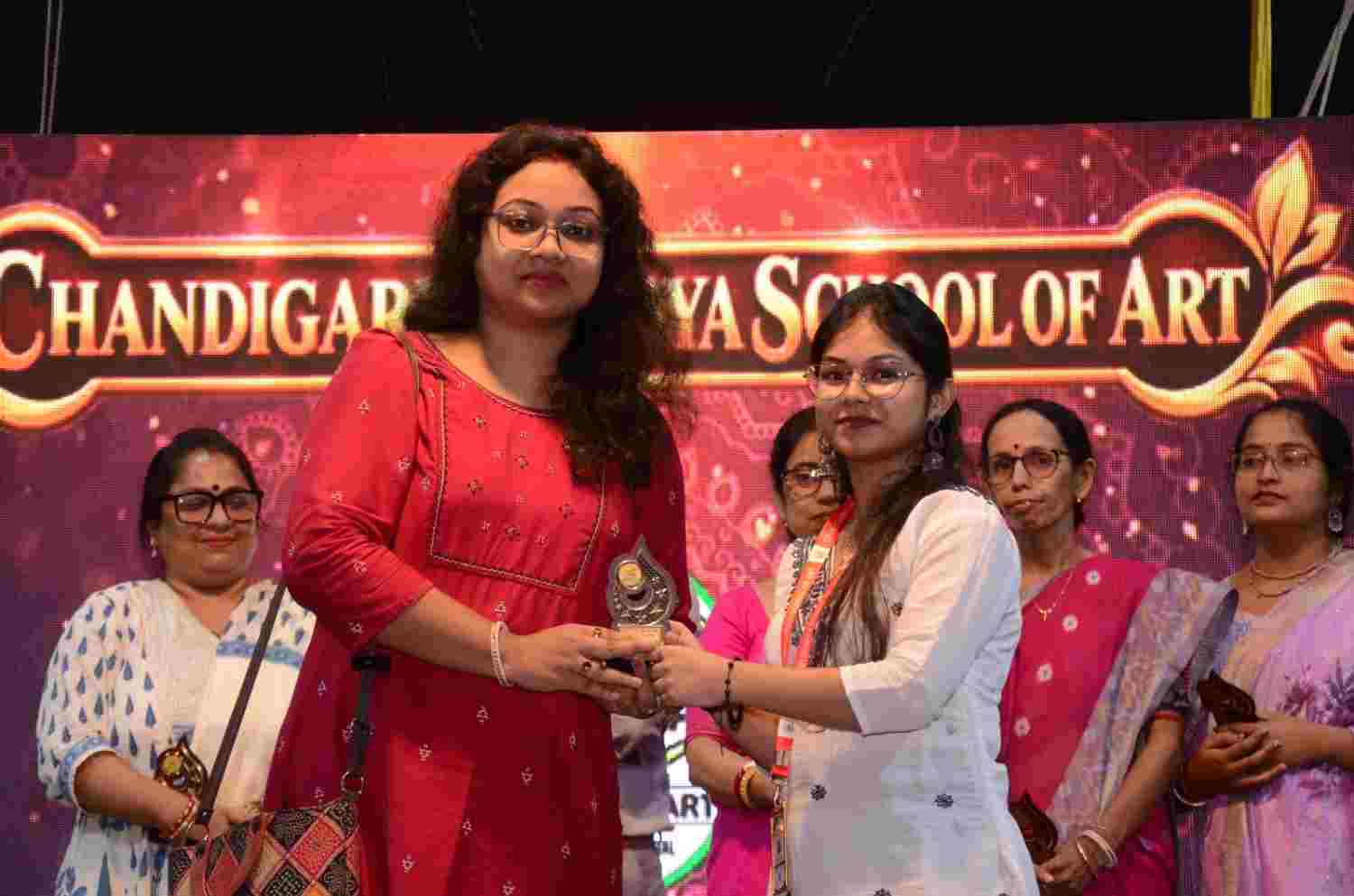
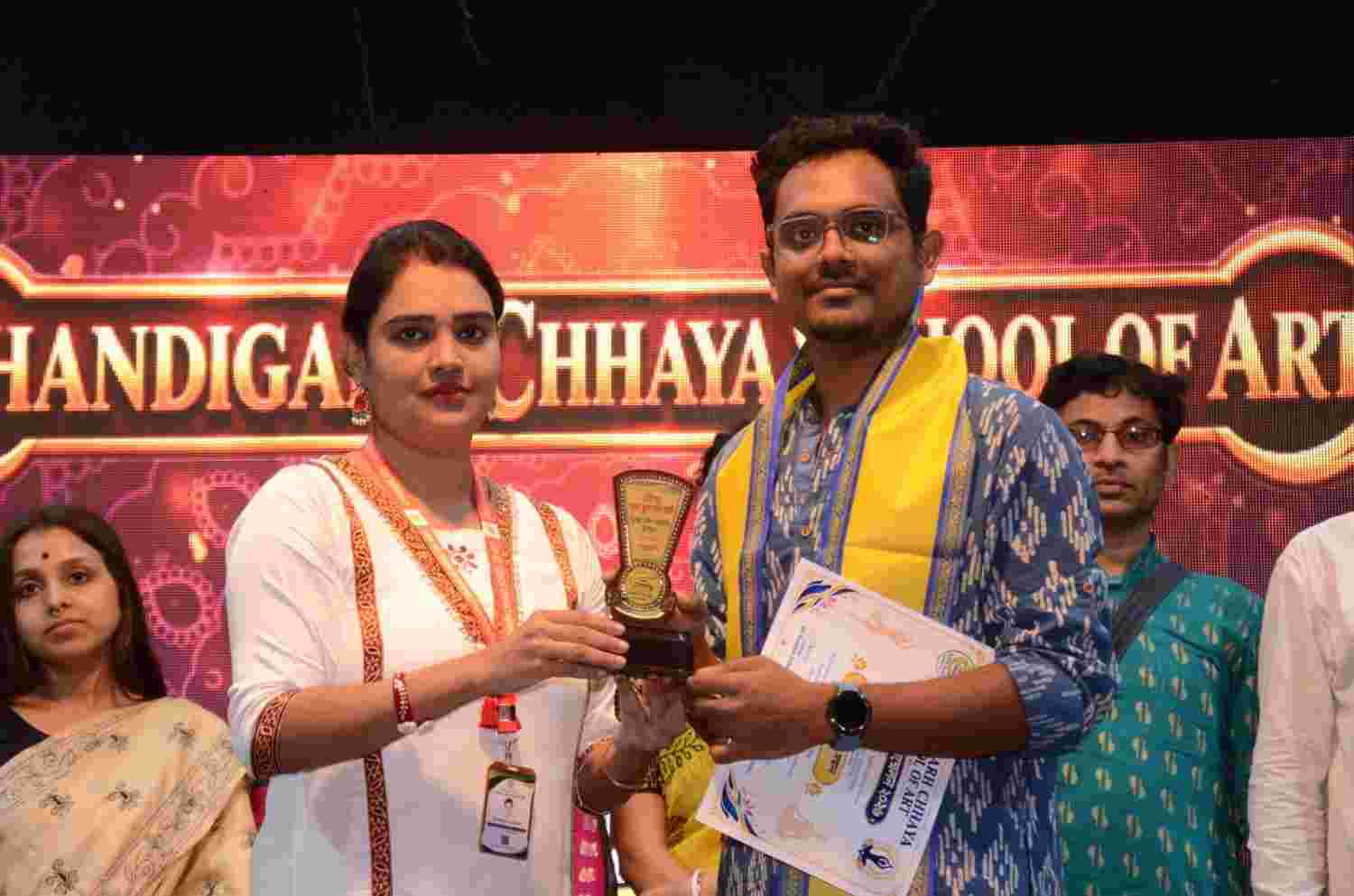
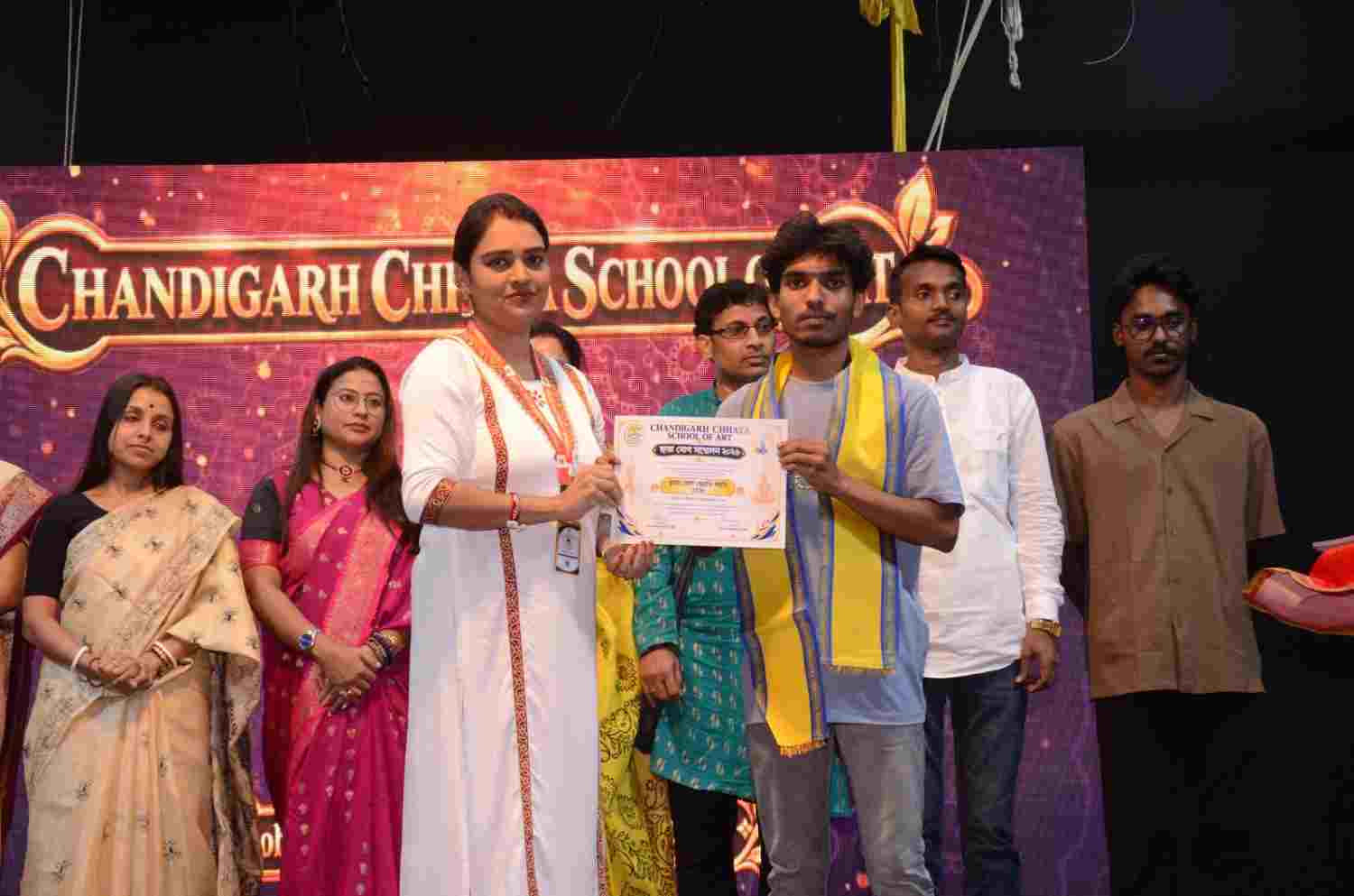
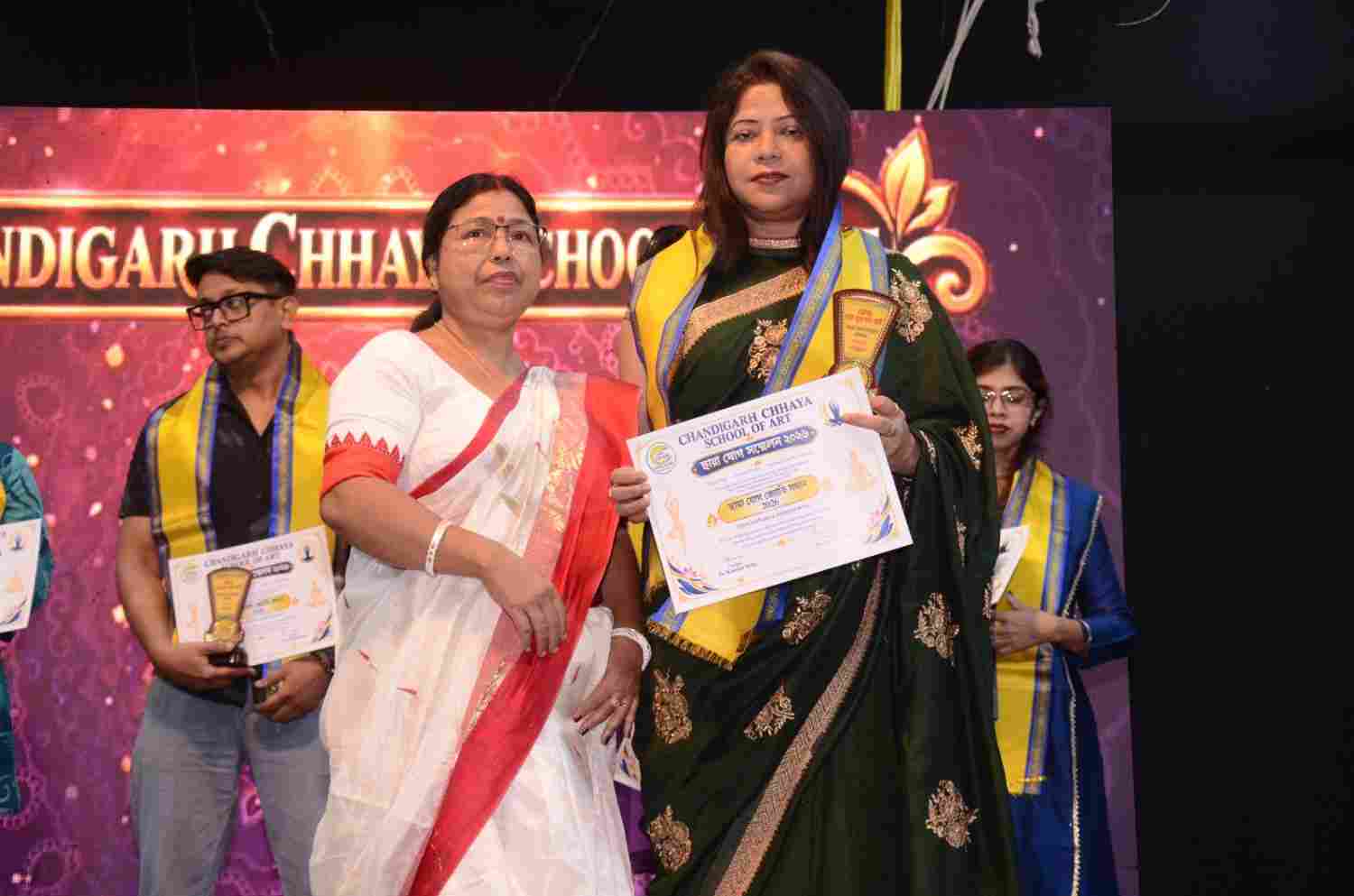
The Chhaya Shilpa-Sanskriti Utsav & Chhaya Yog Sammelan -2026, organised by Chandigarh Chhaya School Of Art, was celebrated with great enthusiasm and grandeur in Krishnanagar, West Bengal.

The main objective of the programme was to recognise and honour distinguished yoga practitioners, teachers and eminent personalities associated with Yoga in West Bengal. As part of the event, the “Chhaya Yog Jyoti Samman- 2026” was announced and presented to deserving personalities in recognition of their contribution and dedication to the field of Yoga.

The programme witnessed the presence of a large number of distinguished guests, yoga experts, artists, cultural personalities, teachers, students and well-wishers. The entire venue was filled with an atmosphere of celebration, inspiration and cultural vibrancy.

Along with the special Yoga honour, the event featured beautiful presentations celebrating art, culture, music, talent and Indian traditions. The performances and participation of the guests and students made the day truly memorable.

Through this initiative, Chandigarh Chhaya School Of Art aims to encourage and recognise talented individuals working for the promotion of Yoga and Indian culture, while providing them with a meaningful platform for appreciation and honour.

The successful celebration of the event marked a beautiful beginning towards taking the message of Yoga, Art, Culture and Honour to a wider community….

Farseen Mohammed P’s Approach to Modern Neurorehabilitation

0

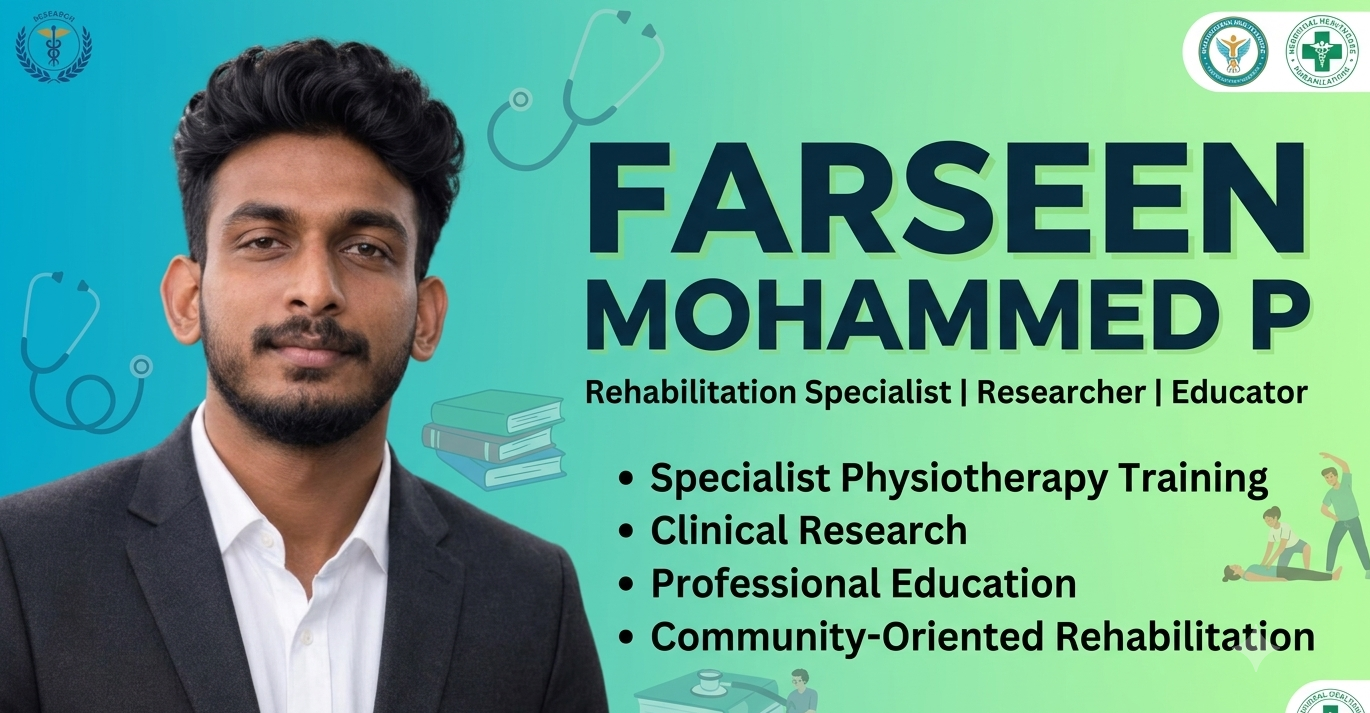
Mangaluru, Karnataka: Neurorehabilitation is an evolving area of healthcare that combines clinical assessment, therapeutic intervention, functional training and evidence-based decision-making. For Farseen Mohammed P, a specialist physiotherapist in neurosciences and clinical researcher, professional development in this field has involved a combination of postgraduate specialization, clinical exposure, rehabilitation training and research.

His career reflects an approach to neurorehabilitation that places functional recovery, therapeutic exercise and scientific evidence at the center of professional practice.

Understanding Neurorehabilitation as a Functional Process

Neurological conditions can affect movement, balance, coordination, strength, mobility and the ability to perform everyday activities.

Modern neurorehabilitation therefore involves more than treating an individual impairment. Rehabilitation programmes may also focus on helping individuals regain functional abilities and participate more effectively in daily life.

Farseen’s postgraduate specialization in neurophysiotherapy and neurorehabilitation has provided him with an academic foundation in this area.

Postgraduate Specialization in Neurosciences

Farseen completed his Master of Physiotherapy in Neurosciences at Yenepoya Physiotherapy College, Yenepoya (Deemed to be University), Mangaluru.

His postgraduate education was accompanied by clinical exposure at Yenepoya Medical College Hospital.

During this period, he developed experience working with neurological conditions including stroke, Parkinson’s disease, traumatic brain injury, Guillain–Barré syndrome and spinal cord disorders.

This combination of academic education and clinical exposure has shaped his professional focus on neurological rehabilitation.

Rehabilitation Through Functional Training

One important element of contemporary neurorehabilitation is functional training.

Rather than concentrating exclusively on isolated muscle performance, rehabilitation can incorporate activities that relate more closely to movement, mobility and everyday function.

Farseen has received clinical training in approaches including task-oriented training and the Motor Relearning Programme.

These approaches form part of his broader neurological rehabilitation training.

Neurodevelopmental Treatment Training

Farseen has also undertaken training in Neurodevelopmental Treatment (NDT).

His NDT-related training included functional improvement approaches for cerebral palsy and neuromotor disorders.

Additional NDT hands-on training and stroke-management education have contributed to his clinical development.

These experiences have expanded his exposure to structured neurological rehabilitation techniques.

Therapeutic Exercise in Neurorehabilitation

Therapeutic exercise is another important component of Farseen’s professional interests.

His postgraduate dissertation examined the effects of eccentric versus concentric strengthening on functional mobility in subacute stroke patients.

The research connected strengthening strategies with functional outcomes in stroke rehabilitation.

His subsequent systematic-review work has continued to investigate the role of strengthening interventions after stroke.

Research Supporting Clinical Practice

Farseen’s approach to rehabilitation is also connected with evidence-based physiotherapy.

He has developed experience in systematic reviews, scoping reviews and evidence synthesis.

His research portfolio includes investigations into stroke rehabilitation, Parkinson’s disease and exercise-based rehabilitation.

This research-oriented approach can help clinicians critically evaluate available evidence when considering rehabilitation interventions.

Stroke Rehabilitation as a Major Research Interest

Stroke rehabilitation represents one of the strongest themes in Farseen’s academic work.

His postgraduate dissertation investigated strengthening interventions in subacute stroke.

He has also worked on a systematic review examining the effectiveness of eccentric strengthening interventions on functional outcomes in adults following stroke.

At SYNERGOS 2026, he presented this systematic-review research and received the First Prize in the Postgraduate Category for Oral Paper Presentation.

Parkinson’s Disease and Physiotherapy

Farseen’s work in neurorehabilitation also extends to Parkinson’s disease.

He contributed to the 2026 scoping review:

“Timing of Dopaminergic Medication Relative to Physiotherapy Delivery in Adults with Parkinson’s Disease: A Scoping Review.”

The research examines the available evidence surrounding the timing of dopaminergic medication and physiotherapy delivery.

As second author and corresponding author, Farseen contributed to research examining an issue at the intersection of medication management and rehabilitation delivery.

Linking Rehabilitation With Evidence Synthesis

Evidence synthesis can play an important role in modern healthcare because individual research studies may provide only limited information.

Systematic reviews and scoping reviews can help researchers understand the existing body of evidence surrounding a particular clinical question.

Farseen has pursued additional training in this area, including a five-day international-level hands-on workshop on Systematic Review and Meta-Analysis conducted by IIRA, Mumbai, from 27 to 31 August 2026.

Looking Beyond a Single Condition

Although neurological rehabilitation is central to Farseen’s professional profile, his research interests are not restricted to one condition.

His research activities also include exercise-based cardiac rehabilitation and metabolic health.

An ongoing systematic review examines exercise interventions and their hepatic, metabolic, functional and muscle-strength outcomes in adults with metabolic dysfunction-associated steatotic liver disease.

This broader research exposure contributes to an understanding of rehabilitation as a multidisciplinary field.

Rehabilitation After Hospital Discharge

Modern rehabilitation also extends beyond the hospital environment.

On 5 September 2026, Farseen served as a resource person at a CME programme for nursing professionals at St. Joseph’s Mission Hospital, Anchal, Kerala.

His session was titled:

“Life After Discharge: Physiotherapy-Guided Secondary Prevention and Community Reintegration.”

The topic emphasized the importance of rehabilitation planning after discharge and the transition toward community-based functional participation.

Communication and Multidisciplinary Practice

Neurorehabilitation often involves collaboration among physiotherapists, doctors, nurses, occupational therapists, speech and language professionals, caregivers and other healthcare providers.

Farseen’s participation in professional education and CME activities reflects an interest in communicating rehabilitation concepts beyond physiotherapy alone.

His multilingual abilities in English, Malayalam, Hindi, Tamil and Kannada also support communication across different professional and regional environments.

Continuing Professional Development

Farseen’s approach to neurorehabilitation continues to develop through additional professional education.

His training includes courses and workshops related to stroke management, NDT, motor relearning, clinical research, good clinical practice and systematic-review methodology.

He has also completed ACE Health Coach Certification and a postgraduate diploma in nutrition.

These additional qualifications provide complementary perspectives on exercise, health and rehabilitation.

A Research-Informed Rehabilitation Perspective

Farseen Mohammed P’s professional profile demonstrates an effort to connect three important components of modern neurorehabilitation:

Clinical training provides practical experience with neurological conditions.

Therapeutic intervention provides strategies for improving movement and function.

Research and evidence synthesis provide a framework for evaluating rehabilitation approaches.

Together, these elements contribute to a research-informed professional approach to physiotherapy.

Future Directions in Neurorehabilitation

Neurorehabilitation continues to evolve alongside developments in clinical research, exercise science, technology and multidisciplinary healthcare.

Farseen’s ongoing research in stroke rehabilitation and motor learning, together with his work in Parkinson’s disease and therapeutic exercise, places him within this developing field.

His continued participation in research and professional education may provide opportunities to further explore rehabilitation interventions and functional outcomes.

Conclusion

Farseen Mohammed P’s approach to modern neurorehabilitation is shaped by postgraduate specialization, clinical experience, therapeutic exercise training and research.

His work demonstrates an interest in understanding neurological rehabilitation not only as a clinical service but also as an area requiring continuous evaluation, scientific inquiry and professional development.

With experience spanning stroke rehabilitation, Parkinson’s disease, neurological clinical training, evidence synthesis and professional education, Farseen is developing a career focused on the intersection of neuroscience, physiotherapy and evidence-based rehabilitation.

External links

समाज सेवा के प्रति समर्पण के लिए असीम अरुण का जैन समाज ने किया सम्मान

0

मेरठ। समाज सेवा एवं जनकल्याण के प्रति समर्पण को देखते हुए मेरठ के जैन समाज ने उत्तर प्रदेश सरकार के समाज कल्याण, अनुसूचित जाति एवं जनजाति कल्याण राज्य मंत्री (स्वतंत्र प्रभार) माननीय श्री असीम अरुण जी का सम्मान किया। रेलवे रोड स्थित वर्धमान एकेडमी में परम पूज्य आचार्य 108 श्री सौरभ सागर जी महाराज के पावन सानिध्य में आयोजित धार्मिक एवं सम्मान समारोह में मंत्री जी मुख्य अतिथि के रूप में शामिल हुए।

कार्यक्रम के प्रारंभ में जैन मंदिर रेलवे रोड एवं मंदिर कमिटी के पदाधिकारियों ने श्री असीम अरुण जी का गर्मजोशी से स्वागत किया। अध्यक्ष श्री सुरेश चंद्र जैन ‘रितुराज’ जी ने स्वागत भाषण देते हुए मुख्य अतिथि का अभिनंदन किया। वहीं, आचार्य श्री सौरभ सागर महाराज जी के मंच पर मंगल आगमन के दौरान पूरा परिसर गुरु भक्ति के जयकारों से गूंज उठा। पूज्य गुरुदेव के चरणों में दीप प्रज्ज्वलन एवं आरती की गई।

इसके बाद आचार्य श्री ने धर्मसभा को संबोधित करते हुए श्रद्धालुओं को धर्म, सन्मार्ग और समाज सेवा के मार्ग पर चलने की प्रेरणा दी तथा मंगल आशीर्वाद प्रदान किया। इसी दौरान जैन समाज एवं जैन बोर्डिंग हाउस सोसाइटी की ओर से मंत्री श्री असीम अरुण जी को शॉल, स्मृति चिन्ह एवं अभिनंदन पत्र भेंट कर सम्मानित किया गया।

जैन समाज ने मंत्री जी की उत्कृष्ट कार्यशैली, प्रशासनिक दक्षता, दूरदर्शिता और समाज सेवा के प्रति समर्पण की भूरि-भूरि प्रशंसा की। साथ ही उनके उत्तम स्वास्थ्य, दीर्घायु एवं तेजस्वी जीवन की मंगल कामना की गई।

सम्मान के बाद अपने संबोधन में श्री असीम अरुण जी ने पूज्य आचार्य श्री को श्रीफल अर्पित कर आशीर्वाद ग्रहण किया और जैन समाज के प्रति आभार व्यक्त किया। उन्होंने समाज कल्याण के कार्यों में निरंतर समर्पित रहने की अपनी प्रतिबद्धता दोहराई। उन्होंने जैन समाज की अहिंसा, करुणा, त्याग एवं उच्च नैतिक मूल्यों पर आधारित जीवनशैली की भी सराहना की।

श्री असीम अरुण जी ने कहा कि जैन समाज सदैव से अहिंसा, करुणा, त्याग और उच्च नैतिक मूल्यों का प्रतीक रहा है। समाज कल्याण, शिक्षा, चिकित्सा एवं परोपकार के क्षेत्रों में समाज का योगदान अतुलनीय और अनुकरणीय है। उन्होंने जैन समाज की निस्वार्थ सेवा भावना और अनुशासित जीवन शैली को प्रेरणादायक बताते हुए कहा कि समाज के जनहितैषी प्रयासों, उत्थान एवं कल्याणकारी कार्यों में वे सदैव सहयोग करते रहेंगे।

इस अवसर पर अध्यक्ष श्री सुरेश चंद्र जैन ‘रितुराज’ जी, श्री सुरेंद्र जैन, श्री योगेश जैन, नेटवर्क 10 न्यूज चैनल के डायरेक्टर श्री नीरज जैन, समिति के समस्त पदाधिकारी तथा जैन समाज के गणमान्य नागरिक बड़ी संख्या में उपस्थित रहे।


भवदीय:
समस्त जैन समाज
जैन बोर्डिंग हाउस सोसाइटी
वर्धमान एकेडमी, रेलवे रोड, मेरठ

Satyabhama Majhi: Reading the Changing City Through Contemporary Art

0

Cities are never static. Roads expand, buildings appear, neighbourhoods change, public spaces acquire new functions, and familiar landscapes gradually take on new identities. For an artist, these changes can become more than background scenery. They can become a way of understanding how people experience modern life.

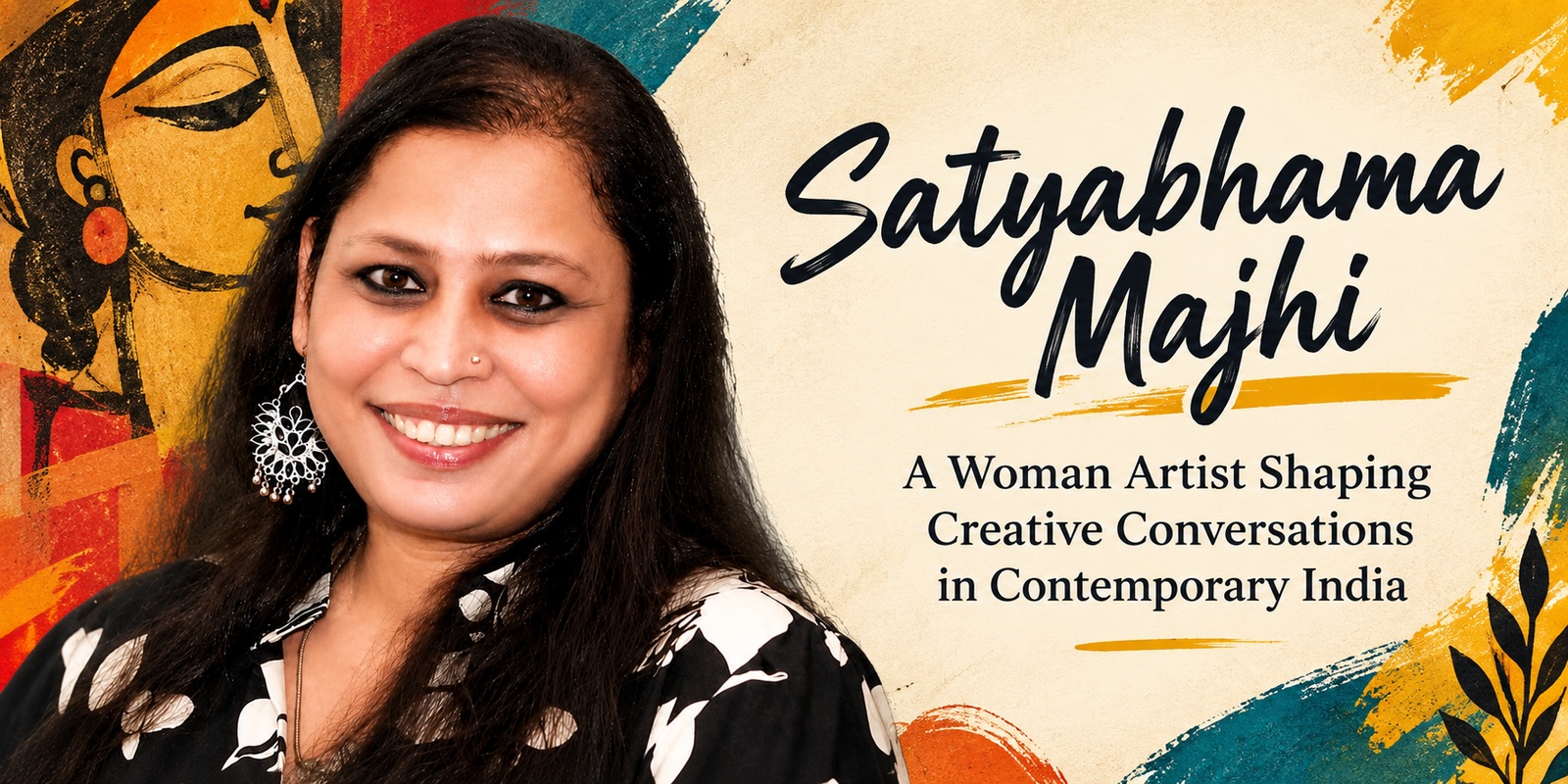
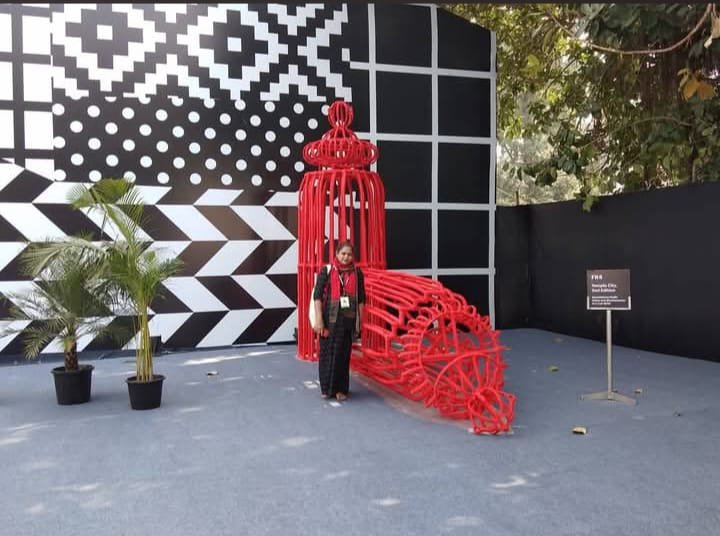
For Indian contemporary artist Satyabhama Majhi, urban transformation has been an important part of her artistic observation. Based in Bhubaneswar, Odisha, she has developed a multidisciplinary practice that includes painting, sculpture, installation, photography, mixed media, public art, community engagement, and cultural initiatives.

Her work reflects an interest in the relationship between people and changing environments. Through this perspective, the city becomes not simply a physical location but a living cultural landscape shaped by memory, movement, development, and human experience.

The City as a Changing Story

Every city contains layers of time.

An old neighbourhood may exist alongside a newly developed road. Traditional practices may continue beside modern commercial spaces. Familiar landmarks can disappear while new buildings become part of everyday life.

These changes create stories.

For Majhi, observing urban life provides an opportunity to consider what happens when environments change faster than people’s memories of them.

A place can be physically transformed while remaining emotionally familiar to the people who have lived there.

This tension between physical change and remembered place provides fertile ground for contemporary artistic reflection.


Bhubaneswar as an Artistic Environment

Bhubaneswar occupies an important position in Majhi’s artistic journey.

The city combines historical and cultural traditions with the characteristics of a modern, expanding urban centre.

Its streets, neighbourhoods, institutions, public spaces, and changing architecture provide an environment in which different forms of life interact.

For an artist based in the city, urban change becomes something experienced directly rather than observed from a distance.

The everyday movement of people, the changing appearance of neighbourhoods, and the relationship between built structures and natural surroundings can all become sources of artistic thought.

Beyond the Conventional Cityscape

Majhi’s approach to urban life does not depend solely on conventional landscape painting.

Instead of treating the city simply as a collection of buildings, her broader practice encourages attention to the people who inhabit it.

A city is made meaningful through human activity.

Markets, roads, homes, workplaces, public spaces, schools, neighbourhoods, and gathering places become important because people give them social and cultural significance.

This perspective shifts the focus from architecture alone toward human experience.

Everyday Urban Life

One of the strengths of Majhi’s artistic outlook is her interest in ordinary moments.

Everyday life can appear unremarkable while it is happening.

People go to work, children travel to school, families perform household activities, communities gather, and individuals move through familiar streets.

Yet these repeated experiences form the structure of urban life.

By paying attention to such moments, an artist can discover subjects that are immediately familiar but capable of carrying deeper meanings.

Memory in the Modern City

Urban development often changes the physical relationship people have with familiar places.

A road may be widened.

A building may disappear.

A neighbourhood may become more commercial.

A public space may be redesigned.

When this happens, people do not lose only physical structures. They may also lose connections to memories associated with those places.

Art can provide a way of thinking about such transitions.

Through visual storytelling, artists can preserve impressions of environments even as those environments continue to change.

People and Their Surroundings

Majhi’s practice repeatedly considers the relationship between people and their environments.

This relationship is not limited to rural or tribal settings.

Urban residents also depend on their surroundings and constantly adapt to them.

Changes in transportation, architecture, public spaces, and natural environments influence how people move and interact.

The city therefore becomes a social ecosystem.

Understanding it requires attention to both its physical structures and the people who use them.

Public Art and the Urban Landscape

Public art provides a particularly direct way for Majhi to engage with urban environments.

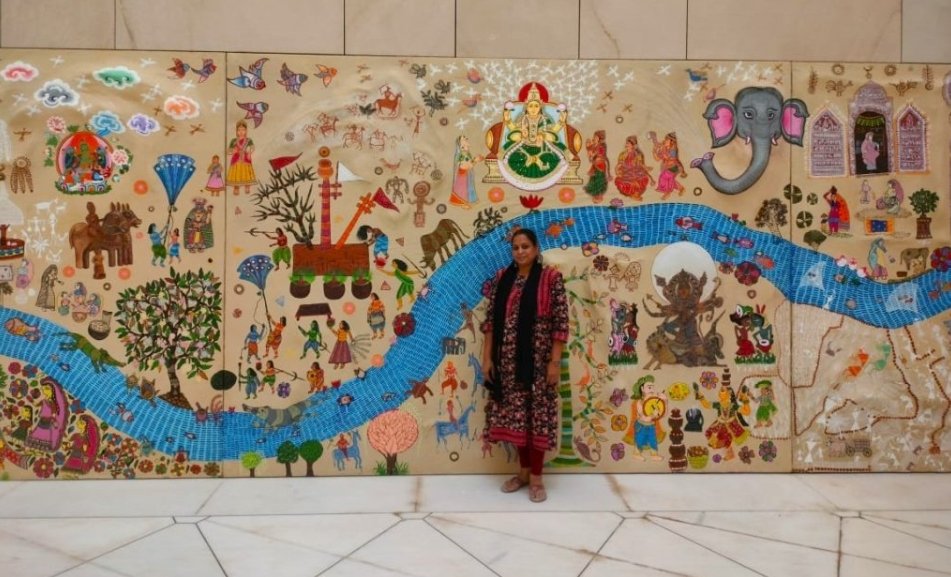
Her involvement in large-scale murals and public-art initiatives in places including Cuttack and Bhubaneswar demonstrates how artistic practice can become part of the everyday city.

A mural on a public wall does not remain isolated from its surroundings.

It shares space with roads, buildings, pedestrians, vehicles, businesses, and neighbourhood activities.

The artwork becomes part of the environment it inhabits.

The Wall as a Meeting Point

A public wall can become a meeting point between art and everyday life.

Unlike a gallery artwork, it does not require a viewer to deliberately enter an exhibition space.

People can encounter it while travelling through the city.

This changes the relationship between artwork and audience.

A public mural can become part of the visual memory of a neighbourhood.

Over time, residents may associate the artwork with a particular road, locality, journey, or period of their lives.

Cuttack and Community Space

Majhi’s public-art activities in Cuttack further demonstrate her interest in shared urban environments.

Projects associated with locations such as Ring Road and Dagabara Sahi illustrate how art can interact with neighbourhood spaces.

When artistic interventions become part of such environments, they can contribute to the identity of a place.

The wall is no longer simply an architectural surface.

It becomes a cultural surface carrying images, stories, and visual associations.

Art and the Experience of Movement

Urban life is closely connected with movement.

People constantly travel between homes, workplaces, schools, markets, cultural spaces, and public areas.

The experience of moving through a city changes how people see their surroundings.

A person travelling along the same route every day may gradually develop a visual memory of buildings, trees, walls, signs, roads, and people.

Majhi’s broader interest in movement and everyday experience provides another way of understanding this relationship between people and place.

The Contrast Between Urban and Natural Environments

One of the important questions in contemporary urban life is the relationship between development and nature.

As cities expand, natural spaces can be transformed.

Trees, open land, water bodies, and agricultural surroundings may come under pressure from construction and infrastructure.

For an artist interested in ecology and human communities, such changes are significant.

Majhi’s broader artistic concerns connect environmental observation with cultural and social experience.

The city can therefore be understood not separately from nature but as part of a larger environmental relationship.

Traditional Memory Within Modern Spaces

Modern cities do not erase traditional culture completely.

Instead, old and new often exist together.

Cultural practices can survive within rapidly changing environments. Traditional visual references can appear in contemporary settings. Communities can maintain memories of places even when the physical environment changes.

Majhi’s background in traditional art and her contemporary practice allow her to explore this coexistence.

Her work demonstrates that tradition can remain relevant within modern artistic and urban contexts.

The Artist as Urban Observer

An artist working in a city becomes a kind of visual observer.

Observation can involve noticing changes in architecture, public behaviour, neighbourhood patterns, environmental conditions, and cultural activity.

But it can also involve recognising what remains unchanged.

This balance between transformation and continuity is central to understanding urban experience.

Majhi’s artistic approach encourages attention to both.

From Observation to Interpretation

An artist does not simply document everything that is seen.

Observation is followed by interpretation.

A street can become a painting.

A public wall can become a site for collaborative art.

A changing neighbourhood can inspire questions about memory.

An ordinary activity can become part of a larger visual narrative.

Majhi’s multidisciplinary practice provides different mediums through which such interpretations can take shape.

Urban Art and Community Participation

Community-based art adds another layer to urban practice.

A public artwork can involve local residents, artists, artisans, institutions, and other participants.

Such projects can create a sense of shared ownership.

The artwork becomes connected to the people who encounter it regularly.

This approach aligns with Majhi’s wider understanding of art as a process that can involve participation rather than simply observation.

The Role of Cultural Institutions

Urban art ecosystems also depend on institutions.

Galleries, academies, art trails, educational organisations, cultural foundations, and public initiatives can provide spaces where artists and communities interact.

Majhi’s involvement with institutions and cultural platforms has allowed her practice to move across studio, gallery, public, and community settings.

These networks help contemporary art become part of a city’s cultural life.

A City Seen Through Multiple Perspectives

There is no single way to understand a city.

A resident may experience it through memory.

A child may experience it through curiosity.

A worker may experience it through daily travel.

An artist may notice visual changes.

A community may experience development through its effects on shared spaces.

Majhi’s multidisciplinary approach accommodates these multiple perspectives.

Her interest in people and places allows the city to be understood as a collection of individual and collective experiences.

The Importance of Cultural Memory

As cities modernise, cultural memory becomes increasingly important.

Art can help preserve visual associations with places, communities, and everyday experiences.

It can also reinterpret them for new audiences.

This does not mean resisting change.

Instead, it means recognising that development and memory can exist in conversation.

Majhi’s practice provides a framework for exploring this relationship.

Connecting Urban and Rural Experiences

Although urban life is an important part of her artistic context, Majhi’s work extends into rural and tribal environments as well.

This creates an interesting dialogue.

The city and the village are not necessarily separate worlds.

People, materials, cultural traditions, economic opportunities, environmental concerns, and social changes connect them in many ways.

An artist moving between these environments can observe both their differences and their relationships.

The Broader Contemporary Context

Urban transformation is one of the defining experiences of contemporary India.

Cities are expanding, populations are changing, technologies are altering daily routines, and traditional environments are adapting to new economic and social realities.

Artists can play an important role in reflecting upon these transformations.

Majhi’s work contributes to this conversation by connecting urban observation with broader questions of memory, identity, environment, community, and cultural continuity.

Conclusion

Satyabhama Majhi’s relationship with urban environments demonstrates how the changing city can become an important subject of contemporary artistic reflection.

Through her connection with Bhubaneswar and her public-art activities in Odisha, she engages with places where development, memory, community, culture, and everyday life intersect.

Her approach moves beyond simply depicting buildings or streets.

Instead, it considers the people who inhabit these spaces, the memories attached to them, and the ways environments influence human experience.

Public murals transform walls into cultural surfaces. Everyday observations become visual narratives. Changing landscapes raise questions about memory and continuity. Traditional knowledge finds new relevance within contemporary surroundings.

In this way, Majhi’s artistic practice offers a thoughtful way of reading the modern Indian city—not simply as a collection of structures, but as a living environment constantly shaped by people, memories, movement, culture, and change.

Her work reminds us that when a city changes, its visual appearance changes—but so too do the stories people carry about the places they call home.