
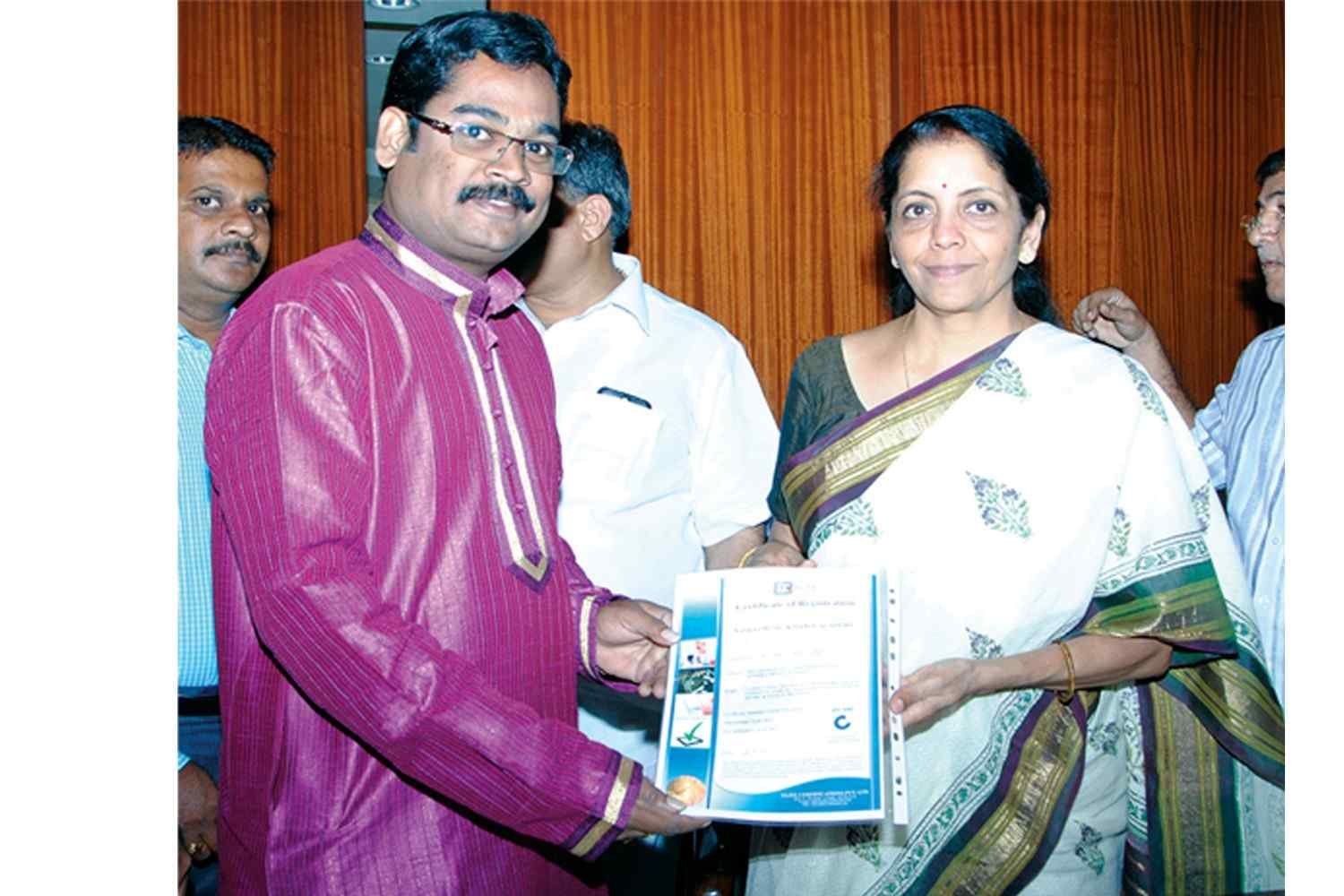
The preservation of Indian classical dance requires more than occasional performances or the efforts of individual artists. Behind every successful artistic tradition is a wider network of teachers, performers, students, researchers, festival organisers, cultural institutions and audiences. Cultural organiser and Kuchipudi exponent Vikram Kumar B R, popularly known as Bathina Vikram Goud, has consistently promoted this broader ecosystem-based approach to the development of Indian classical arts.
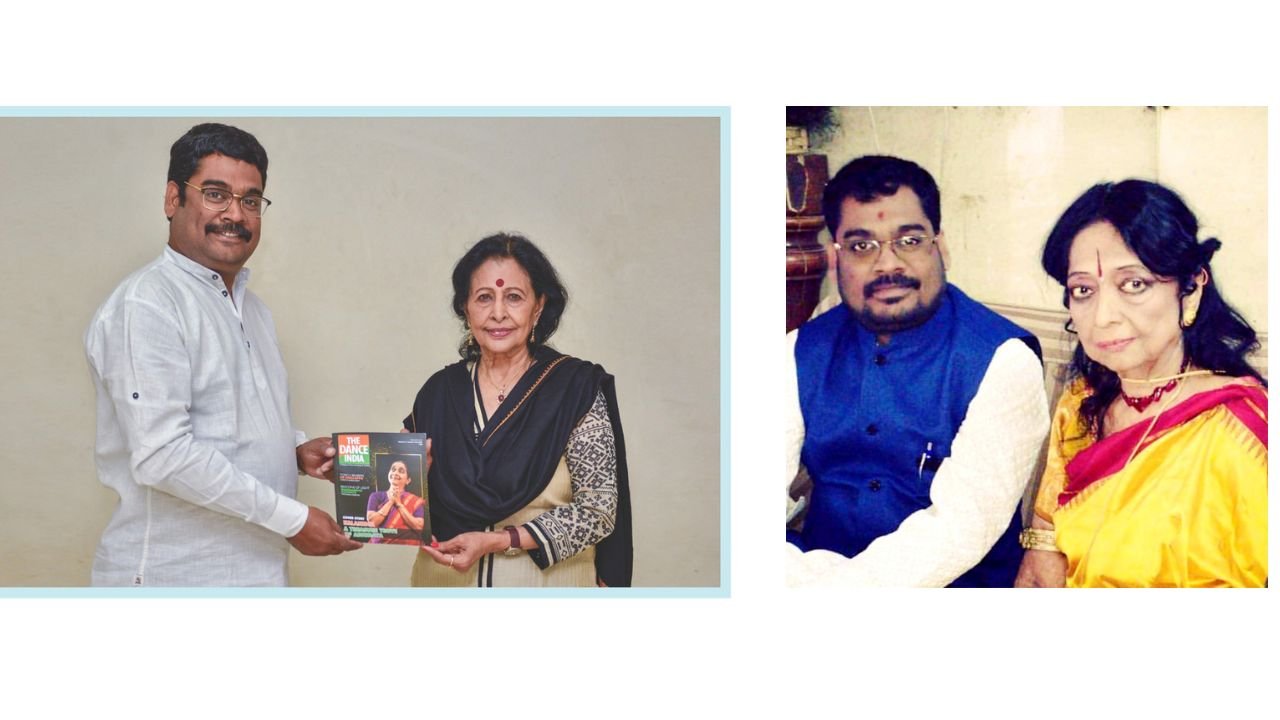
Over the years, his work has expanded across several interconnected areas, including dance education, theatre, choreography, festival organisation, cultural journalism, documentation and institutional development. Rather than treating each activity as an independent project, his initiatives reflect the idea that different parts of the cultural ecosystem must support one another.
A festival, for example, can provide an artist with a stage, but an artist first needs training and mentorship. A young dancer may need opportunities to perform, but audiences also need exposure and education to appreciate the art form. Researchers and writers can document artistic traditions, while cultural institutions can provide the organisational framework needed to sustain programmes.
This interconnected model is visible in the work of the Nataraj Music and Dance Academy (NMDA), founded by Vikram Kumar B R in 2000. The academy has supported training in Kuchipudi, Indian folk traditions, Indian classical music and instrumental music, while also organising competitions, workshops, seminars and cultural events.
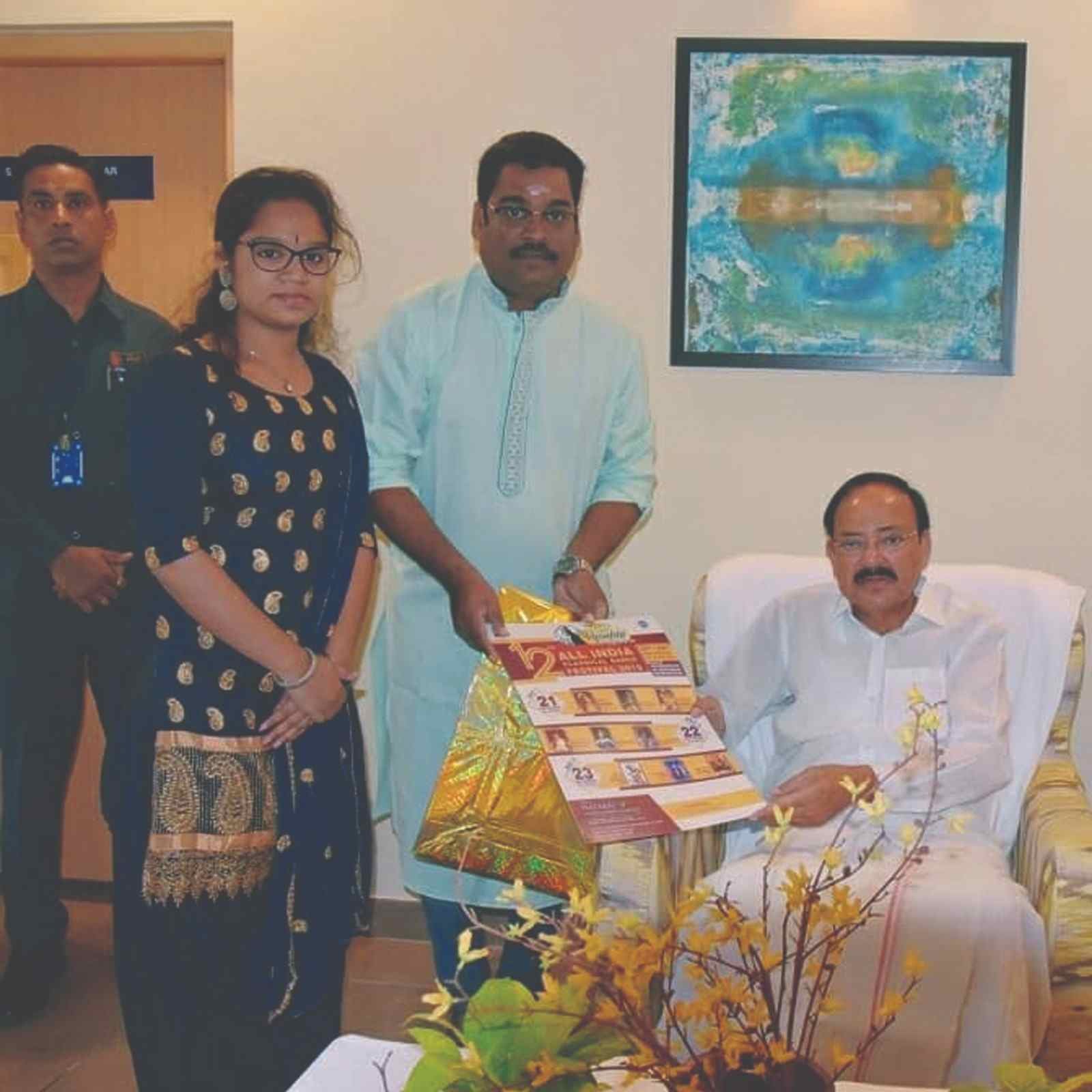
Festival platforms have added another layer to this ecosystem. Initiatives such as Vysakhi Nrithyotsav, Bharat Nrithyotsav, Sathyabhama Yuva Nrithyotsav, Nataraj Nrithyotsav and Jathis Music & Dance Festival have created opportunities for artists at different stages of their careers.
Youth development is particularly important within this model. Dedicated platforms for young artistes can help students move from classroom training to professional performance. Scholarships and fellowship programmes, as envisioned through the Federation of Classical Dance Festival Organisers (FCDFO), can further strengthen this pathway.
Senior artists also have an important role to play. Experienced practitioners carry knowledge accumulated through years of performance and teaching. Festivals that bring established masters and emerging artistes together can encourage intergenerational learning and create opportunities for mentorship.
Documentation forms another essential part of the ecosystem. Vikram Kumar B R has worked through cultural journalism and publications to record information about artists, performances and traditions. His association with The Dance India, a national English-language cultural publication, reflects the belief that artistic heritage should not depend entirely on memory.
This concern becomes particularly significant in the digital age. Performances, choreographies, photographs, articles and archival materials can be copied or circulated without proper context or credit. Responsible documentation can help preserve original sources while ensuring that artists and cultural traditions receive appropriate recognition.
The international dimension of this ecosystem is also visible in initiatives such as the International Traditional Dance Congress (ITDC) and international dance festivals. These platforms can connect performers, scholars, teachers and cultural representatives while creating opportunities to discuss tradition, pedagogy, history and contemporary challenges.
The objective is therefore not simply to increase the number of festivals. It is to build an environment in which classical dance can continuously develop.
For Vikram Kumar B R, cultural preservation involves maintaining the complete chain through which artistic knowledge moves. Teachers transmit technique; artists interpret and perform; festivals create platforms; researchers study traditions; publications document them; institutions provide support; and audiences ensure that the art remains socially relevant.
This approach is particularly important in an era when traditional performing arts compete with rapidly changing entertainment habits. Classical dance cannot rely solely on historical prestige. It needs active practitioners, informed audiences, modern organisational systems and meaningful opportunities for younger generations.
The ecosystem model also allows different cultural initiatives to reinforce one another. A student trained through an academy can perform at a youth festival, later participate in national or international programmes, contribute to documentation and eventually become a teacher or mentor. In this way, one generation can become the foundation for the next.
Vikram Kumar B R’s journey across dance, theatre, education, festivals, publishing and cultural organisation reflects this interconnected vision. His initiatives demonstrate that preservation is not a single activity but a continuing process requiring participation at multiple levels.
Ultimately, the strength of Indian classical dance lies not only in its celebrated performers or historic repertoire but in the cultural ecosystem that keeps the tradition alive. By focusing on that ecosystem, Vikram Kumar B R has sought to create structures through which classical arts can remain practised, performed, documented, respected and passed on to future generations.
